
Introduction
A diagnosis of head and neck cancer brings unique challenges that extend beyond the physical aspects of the disease. These cancers affect areas central to how we communicate, eat, breathe, and present ourselves to the world. Finding comprehensive head and neck cancer treatment in Ahmedabad that addresses both the medical and emotional dimensions of care has become increasingly important for patients across Gujarat.
Head and neck cancers encompass a diverse group of malignancies affecting the oral cavity, throat, larynx, sinuses, nasal cavity, salivary glands, and thyroid. Each requires specialized expertise and a coordinated treatment approach. At Zanish Cancer Hospital, we recognize that successful outcomes depend not just on eliminating cancer but on preserving quality of life and function. This article explores the multidisciplinary approach to head and neck cancer care, helping patients understand their treatment options and what to expect when seeking specialized oncology services in Ahmedabad.
Understanding Head and Neck Cancers
Head and neck cancers account for a significant portion of cancer cases in India, with higher incidence rates in Gujarat due to various risk factors including tobacco and betel nut consumption. These malignancies can develop in several distinct anatomical sites, each presenting unique treatment challenges.
Common types include:
- Oral cavity cancers: Affecting the lips, tongue, gums, floor of mouth, and hard palate
- Pharyngeal cancers: Including nasopharynx, oropharynx, and hypopharynx
- Laryngeal cancer: Affecting the voice box and vocal cords
- Nasal and sinus cancers: Malignancies in the nasal cavity and paranasal sinuses
- Salivary gland tumors: Both benign and malignant growths in major and minor salivary glands
- Thyroid cancer: Various subtypes affecting the thyroid gland
Approximately 90% of head and neck cancers are squamous cell carcinomas, originating from the flat cells lining the moist surfaces inside the head and neck. Understanding the specific type and location of cancer is crucial for determining the optimal treatment strategy.
Recognizing Symptoms and Risk Factors
Early detection significantly improves treatment outcomes for head and neck cancers. Patients should be aware of warning signs that warrant medical evaluation.
Common symptoms include:
- Persistent sore throat or hoarseness lasting more than two weeks
- Difficulty swallowing or painful swallowing (dysphagia)
- Unexplained lump or mass in the neck
- Non-healing ulcers or sores in the mouth or throat
- Persistent earache on one side
- Nasal obstruction or frequent nosebleeds
- Changes in voice quality or vocal strength
- Unexplained weight loss
- White or red patches inside the mouth
- Facial numbness or weakness
If these symptoms persist beyond three weeks, consultation with a head neck oncology specialist is essential. Early-stage cancers are often more treatable and may require less aggressive interventions.
Major risk factors include:
Tobacco use remains the leading risk factor, whether through smoking cigarettes, bidis, or consuming smokeless tobacco products common in Gujarat. Alcohol consumption, particularly heavy use, significantly increases risk, especially when combined with tobacco. Human Papillomavirus (HPV) infection has emerged as an important cause of oropharyngeal cancers, particularly affecting younger non-smokers. Other factors include betel quid and areca nut chewing, occupational exposures to wood dust or certain chemicals, poor oral hygiene, and previous radiation exposure to the head and neck region.
The Multidisciplinary Treatment Approach
Modern head and neck cancer care requires coordinated expertise from multiple specialists. This multidisciplinary approach ensures comprehensive evaluation and treatment planning tailored to each patient’s unique situation.
The core team typically includes:
Surgical oncologists specializing in head and neck surgery perform tumor removal and reconstructive procedures. Radiation oncologists plan and deliver targeted radiation therapy. Medical oncologists manage chemotherapy, targeted therapy, and immunotherapy protocols. Plastic and reconstructive surgeons restore form and function following cancer removal. Additional specialists include speech and language pathologists, nutritionists and dietitians, dental oncologists, pain management specialists, and psycho-oncologists for emotional support.
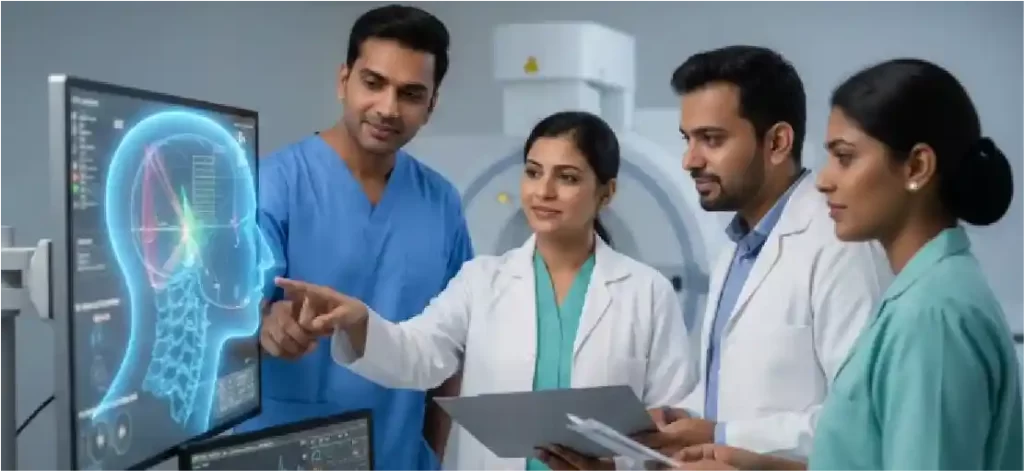
This collaborative approach ensures all aspects of treatment are optimized. The team meets regularly to discuss complex cases, review imaging and pathology, and develop individualized treatment plans that balance cancer control with quality of life preservation.
Comprehensive Diagnostic Evaluation
Accurate diagnosis and staging form the foundation of effective treatment planning. The diagnostic process for head and neck cancers involves multiple steps to determine cancer type, extent, and characteristics.
Initial evaluation includes:
A thorough clinical examination assesses visible abnormalities and palpates for masses or enlarged lymph nodes. Endoscopic examination using fiber-optic scopes allows direct visualization of the throat, larynx, and nasal passages. Biopsy procedures provide tissue samples for definitive diagnosis and molecular analysis.
Advanced imaging studies help determine tumor extent:
CT scans with contrast provide detailed anatomical information about tumor size and involvement of surrounding structures. MRI offers superior soft tissue resolution, particularly useful for evaluating tongue, soft palate, and skull base involvement. PET-CT scans detect metabolically active cancer cells, helping identify distant metastases and guiding treatment planning. Ultrasound assists in evaluating neck lymph nodes and guiding fine needle aspiration biopsies.
Additional diagnostic tests may include:
Panendoscopy under anesthesia allows thorough examination of the entire upper aerodigestive tract. Dental evaluation is crucial before radiation therapy to address oral health issues that could complicate treatment. Hearing and swallowing assessments establish baseline function. Nutritional evaluation identifies patients who may benefit from supplemental feeding during treatment.
Treatment Modalities for Head and Neck Cancers
Head and neck cancer treatment typically involves one or more therapeutic modalities, selected based on cancer stage, location, patient health status, and treatment goals.
Surgical Treatment
Throat cancer surgery and other head and neck procedures aim to completely remove cancerous tissue while preserving function when possible. Early-stage cancers may be treated with surgery alone, while advanced cancers often require combined modality therapy.
Surgical approaches include:
Transoral surgery utilizes minimally invasive techniques to remove tumors through the mouth, avoiding external incisions. This approach is suitable for accessible tumors of the oral cavity, oropharynx, and larynx. Open surgical procedures provide access to larger or more extensive tumors, sometimes requiring mandibulotomy or pharyngotomy approaches.
Neck dissection surgery removes lymph nodes when cancer has spread to the neck. The extent ranges from selective dissection targeting specific node groups to comprehensive radical dissection. Modern approaches emphasize preserving important structures like nerves, blood vessels, and muscles when oncologically safe.
Laryngeal cancer treatment may involve partial laryngectomy preserving voice function or total laryngectomy requiring alternative voice rehabilitation methods. Advances in conservation surgery have improved functional outcomes for many patients.
Reconstructive surgery restores form and function following cancer removal. Techniques include local tissue flaps, regional pedicled flaps, and free tissue transfer using microsurgical techniques. Reconstruction addresses defects in the oral cavity, pharynx, larynx, and facial structures, helping patients return to normal eating, speaking, and appearance.
Radiation Therapy
Radiation therapy plays a crucial role in head and neck cancer management, used as primary treatment for early-stage disease, combined with surgery for advanced cancers, or as definitive treatment with chemotherapy.
Modern radiation techniques include:
Intensity-Modulated Radiation Therapy (IMRT) delivers precise radiation doses to tumor while minimizing exposure to surrounding healthy tissues. This reduces side effects affecting salivary glands, swallowing muscles, and other critical structures. Image-Guided Radiation Therapy (IGRT) uses daily imaging to account for positioning variations and anatomical changes during treatment. Stereotactic body radiation therapy (SBRT) delivers high-dose radiation in fewer treatments for selected cases.
Treatment typically spans six to seven weeks with daily sessions. Side effects may include skin reactions, mucositis (mouth sores), dry mouth, altered taste, and swallowing difficulties. Supportive care helps manage these effects during and after treatment.
Systemic Therapy
Medical oncology treatments include chemotherapy, targeted therapy, and immunotherapy, used alone or combined with other modalities.
Chemotherapy drugs like cisplatin, carboplatin, and 5-fluorouracil are commonly used, often administered concurrently with radiation therapy for enhanced effectiveness. Targeted therapy agents such as cetuximab target specific molecular pathways in cancer cells, offering treatment options for patients who cannot tolerate traditional chemotherapy. Immunotherapy drugs including pembrolizumab and nivolumab harness the immune system to fight cancer, particularly beneficial for recurrent or metastatic disease.
Managing Treatment Side Effects
Head and neck cancer treatments can affect essential functions. Proactive management and rehabilitation improve quality of life during and after treatment.
Common challenges include:
Swallowing difficulties often occur during and after treatment. Speech pathologists provide swallowing therapy and recommend dietary modifications. Some patients may temporarily require feeding tubes to maintain nutrition. Voice changes following laryngeal cancer treatment necessitate voice rehabilitation, potentially including voice prostheses or electrolarynx devices. Nutritional support is critical, with dietitians developing high-calorie, high-protein diets tailored to swallowing abilities.
Oral health complications require careful dental management before, during, and after radiation therapy. Dry mouth from radiation may be permanent, requiring ongoing saliva substitutes and preventive dental care. Pain management involves multimodal approaches including medications, nerve blocks, and complementary therapies. Psychological support addresses the emotional impact of diagnosis, treatment, and changes in appearance or function.
The Importance of Rehabilitation
Comprehensive rehabilitation is integral to successful outcomes. Early intervention minimizes functional decline and speeds recovery.
Rehabilitation services include:
Speech and language therapy addresses voice, speech, and swallowing difficulties through targeted exercises and compensatory strategies. Physical therapy maintains neck and shoulder mobility following surgery, particularly after neck dissection. Occupational therapy helps patients adapt to functional changes and return to daily activities. Nutritional counseling ensures adequate caloric intake throughout treatment and recovery.
Many patients benefit from support groups connecting them with others facing similar challenges. Peer support provides practical advice and emotional encouragement throughout the treatment journey.
Zanish Cancer Hospital's Comprehensive Head and Neck Cancer Program
Zanish Cancer Hospital has developed a robust head and neck oncology program serving patients throughout Ahmedabad and Gujarat. Our multidisciplinary approach integrates advanced medical care with compassionate support.
Our specialized services include:
Our surgical oncology team brings extensive experience in complex head and neck procedures, including minimally invasive transoral surgery, comprehensive neck dissection procedures, advanced reconstructive techniques, and thyroid cancer surgery including total thyroidectomy and lymph node dissection. We utilize state-of-the-art radiation therapy with IMRT and IGRT capabilities, precision treatment planning systems, and comprehensive supportive care during radiation.
Our medical oncology services encompass evidence-based chemotherapy protocols, targeted therapy and immunotherapy options, clinical trial access for eligible patients, and personalized treatment based on molecular profiling. Comprehensive support services include speech and swallowing therapy, nutritional counseling and support, dental oncology services, pain management specialists, and psychological counseling and support groups.
Located in Ahmedabad, we provide accessible, high-quality cancer care close to home. This eliminates the burden of traveling long distances during intensive treatment periods while maintaining standards comparable to leading cancer centers nationwide. Our patient-centered approach emphasizes clear communication, shared decision-making, individualized treatment plans, comprehensive supportive care, and coordination with referring physicians.
We understand that each patient’s situation is unique. Treatment recommendations consider not just cancer characteristics but also patient preferences, overall health, social support systems, and personal goals. This holistic approach ensures treatment plans align with what matters most to each individual.
Follow-Up Care and Survivorship
Completing treatment marks a transition to survivorship, requiring ongoing monitoring and management.
Follow-up care includes:
Regular clinical examinations in the first year occur every one to three months, gradually spacing to every six months and then annually. Surveillance imaging may be performed periodically to detect recurrence. Management of long-term treatment effects addresses issues like hypothyroidism following thyroid or radiation treatment, dental complications from radiation, swallowing dysfunction, and voice changes.
Survivorship care plans outline follow-up schedules, potential late effects of treatment, health maintenance recommendations, and resources for ongoing support. Many survivors successfully return to work and normal activities, though some require workplace accommodations or vocational rehabilitation.
Why Choose Specialized Cancer Care in Ahmedabad
Seeking treatment at a dedicated cancer hospital offers distinct advantages. Concentrated expertise means clinicians regularly manage head and neck cancers, staying current with evolving treatment approaches. Comprehensive services under one roof streamline care coordination and reduce logistical stress. Access to advanced technologies and treatment options that may not be available at general hospitals enhances outcomes.
For patients across Gujarat, receiving head and neck cancer treatment in Ahmedabad provides quality care without the challenges of relocating to distant metropolitan centers. Local treatment maintains family support systems and reduces financial burden while ensuring access to specialized expertise.
Conclusion and Next Steps
Head and neck cancers present complex challenges requiring specialized, multidisciplinary care. Advances in surgical techniques, radiation therapy, and systemic treatments have significantly improved outcomes while enhancing quality of life preservation. The key to successful treatment lies in early detection, comprehensive evaluation, and coordinated care from experienced specialists.
If you’re experiencing persistent symptoms suggestive of head and neck cancer, or have been diagnosed and are seeking expert care, taking prompt action is crucial. Zanish Cancer Hospital’s comprehensive head and neck oncology program offers the expertise, technology, and compassionate support needed throughout your treatment journey.
We encourage you to schedule a consultation with our head and neck cancer specialists. Our team will evaluate your condition, answer your questions, and develop a personalized treatment plan addressing your specific needs. Early consultation improves treatment options and outcomes.
Contact Zanish Cancer Hospital today to take the first step toward comprehensive cancer care in Ahmedabad. Your health and well-being are our highest priorities.
Medical Disclaimer: This article provides general educational information about head and neck cancer treatment and should not substitute for professional medical advice. Treatment plans must be individualized based on specific diagnosis, cancer stage, and patient factors. Always consult qualified healthcare providers for personalized medical guidance.
Make Appointment
Address
1st Floor, Viva Atelier, Opp. B.D. Patel House, Near Sardar Patel Statue, Behind Sardar Patel Colony, Naranpura, Ahmedabad-380014. (Gujarat) India
Contact Us
+91 7433852300