 Skip to content
Introduction
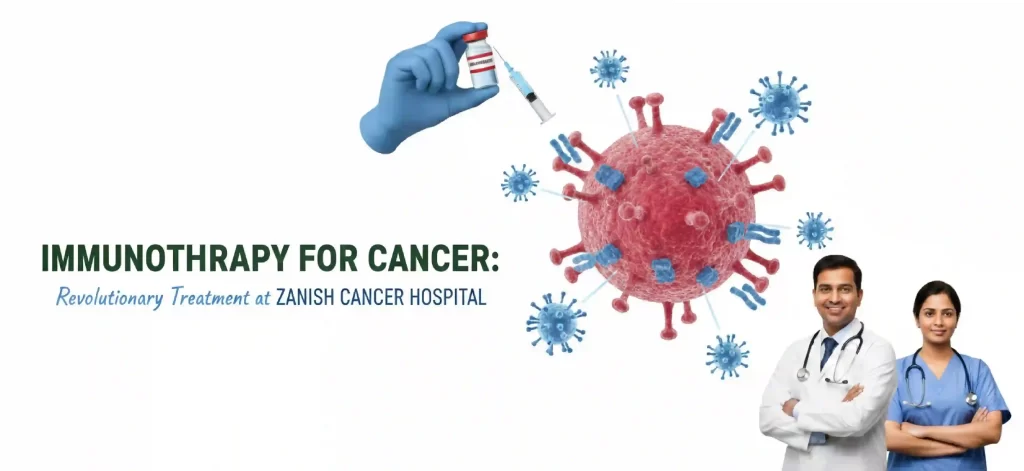
Cancer treatment has entered a new era with immunotherapy—a groundbreaking approach that harnesses your own immune system to fight cancer. For patients seeking cancer immunotherapy Ahmedabad, this revolutionary treatment offers hope, particularly for those with advanced cancers or tumors that haven’t responded to conventional therapies. Unlike chemotherapy that directly attacks cancer cells, immunotherapy empowers your body’s natural defenses to recognize and destroy cancer cells more effectively.
Understanding immunotherapy, its applications, potential benefits, and what to expect can help you make informed decisions about your cancer treatment. This comprehensive guide explores how immunotherapy works, who can benefit, and how Zanish Cancer Hospital is bringing this cutting-edge biological cancer treatment to patients throughout Gujarat.
Understanding Cancer Immunotherapy
Your immune system is designed to identify and eliminate abnormal cells, including cancer cells. However, cancer cells often develop mechanisms to evade immune detection—they can hide from immune cells, suppress immune responses, or create barriers that prevent immune attack.
Immunotherapy works by removing these barriers and enhancing the immune system’s natural ability to fight cancer. Rather than targeting cancer cells directly like chemotherapy or radiation, immunotherapy targets the immune system itself, boosting its cancer-fighting capabilities.
Types of Cancer Immunotherapy
Several distinct immunotherapy approaches have been developed, each working through different mechanisms:
Checkpoint Inhibitor Therapy
Immune checkpoints are proteins on immune cells that regulate immune responses, preventing the immune system from attacking normal cells. Cancer cells exploit these checkpoints to avoid immune detection.
Checkpoint inhibitor therapy blocks these proteins, releasing the brakes on the immune system and allowing it to attack cancer cells more effectively. The most common checkpoint inhibitors target:
PD-1 and PD-L1 Inhibitors
- Block the PD-1/PD-L1 pathway that cancer cells use to hide from immune cells
- Approved for melanoma, lung cancer, kidney cancer, bladder cancer, head and neck cancers, and others
- Examples include pembrolizumab, nivolumab, and atezolizumab
CTLA-4 Inhibitors
- Block CTLA-4 protein, enhancing early-stage immune activation
- Often used for melanoma and in combination with other checkpoint inhibitors
- Example: ipilimumab
CAR-T Cell Therapy
CAR-T cell therapy represents one of the most innovative approaches in immune oncology. This personalized treatment involves:
- Collecting T cells (a type of white blood cell) from the patient’s blood
- Genetically engineering these cells in a laboratory to produce special receptors called chimeric antigen receptors (CARs)
- Growing millions of these modified cells
- Infusing them back into the patient where they seek and destroy cancer cells
CAR-T cell therapy has shown remarkable success in certain blood cancers, particularly acute lymphoblastic leukemia and certain lymphomas, achieving remission in patients who had exhausted other treatment options.
Monoclonal Antibodies
These are laboratory-created antibodies designed to bind to specific targets on cancer cells. They work by:
- Marking cancer cells for immune system destruction
- Blocking growth signals to cancer cells
- Delivering toxic substances directly to cancer cells
- Examples include rituximab, trastuzumab, and cetuximab
Cancer Vaccines
Unlike preventive vaccines, therapeutic cancer vaccines are designed to treat existing cancer by stimulating the immune system to attack cancer cells. These vaccines are currently available for certain cancers and under investigation for many others.
Cytokine Therapy
Cytokines are proteins that regulate immune cell growth and activity. Therapeutic cytokines like interleukins and interferons can boost immune responses against cancer, though their use has decreased with the development of newer immunotherapy approaches.
Which Cancers Respond to Immunotherapy?
Immunotherapy has demonstrated effectiveness across numerous cancer types, though response rates vary:
Highly Responsive Cancers:
- Melanoma (skin cancer)
- Non-small cell lung cancer
- Kidney cancer (renal cell carcinoma)
- Bladder cancer
- Head and neck cancers
- Hodgkin lymphoma
Emerging Applications:
- Triple-negative breast cancer
- Colorectal cancer (with specific biomarkers)
- Gastric and esophageal cancers
- Liver cancer
- Certain gynecological cancers
Not all patients with these cancers will respond to immunotherapy. Biomarker testing helps identify patients most likely to benefit.
Predicting Immunotherapy Response: The Role of Biomarkers
Certain biomarkers help oncologists determine who will benefit from immunotherapy:
PD-L1 Expression Higher levels of PD-L1 protein on tumor cells often correlate with better immunotherapy response, though patients with low expression may still benefit.
Tumor Mutational Burden (TMB) Tumors with more genetic mutations may be more visible to the immune system, potentially responding better to checkpoint inhibitors.
Microsatellite Instability (MSI-H) or Mismatch Repair Deficiency (dMMR) These biomarkers indicate DNA repair defects that make tumors more responsive to immunotherapy across various cancer types.
Tumor-Infiltrating Lymphocytes (TILs) The presence of immune cells within tumors may indicate better immunotherapy response.
Benefits of Immunotherapy
Immunotherapy offers several potential advantages over traditional cancer treatments:
Durable Responses Some patients experience long-lasting remissions that continue even after treatment stops, as the immune system maintains its ability to recognize and attack cancer cells.
Effectiveness for Advanced Cancers Immunotherapy has achieved responses in metastatic cancers that historically had limited treatment options.
Potential for Fewer Side Effects While immunotherapy has its own side effect profile, it typically doesn’t cause the hair loss, severe nausea, or blood count problems associated with chemotherapy.
Synergy with Other Treatments Immunotherapy can be combined with chemotherapy, targeted therapy, or radiation, potentially enhancing overall effectiveness.
Quality of Life Many patients maintain better quality of life during immunotherapy compared to intensive chemotherapy regimens.
Understanding Immunotherapy Side Effects
While generally better tolerated than chemotherapy, immunotherapy can cause unique side effects because it activates the immune system:
Immune-Related Adverse Events (irAEs)
When the immune system becomes overactive, it may attack normal organs and tissues, causing:
- Skin reactions: Rash, itching, vitiligo
- Gastrointestinal effects: Diarrhea, colitis
- Endocrine problems: Thyroid dysfunction, adrenal insufficiency, diabetes
- Lung inflammation: Pneumonitis
- Liver inflammation: Hepatitis
- Joint and muscle pain: Arthritis, myositis
Most side effects are manageable with appropriate monitoring and intervention. Some require treatment with corticosteroids or other immunosuppressive medications. Severe reactions may necessitate stopping immunotherapy.
Infusion Reactions
Some patients experience allergic-type reactions during drug infusion, including fever, chills, or blood pressure changes.
Fatigue
Tiredness and low energy are common but usually manageable.
The key to managing immunotherapy side effects is early recognition and prompt treatment. Patients should immediately report new symptoms to their healthcare team.
What to Expect During Immunotherapy Treatment
Initial Evaluation Your oncologist will assess whether immunotherapy is appropriate based on:
- Cancer type and stage
- Biomarker test results
- Overall health status
- Previous treatments
- Treatment goals
Treatment Administration Most immunotherapies are given intravenously in an outpatient setting, typically every 2-6 weeks depending on the specific drug. CAR-T cell therapy requires hospitalization for the infusion and initial monitoring period.
Monitoring Regular blood tests and imaging studies track treatment response and detect side effects early. Most patients continue normal daily activities between treatments.
Response Timeline Unlike chemotherapy, which often works quickly, immunotherapy responses may take several months to become apparent. Some patients initially experience temporary tumor growth (pseudoprogression) before response occurs.
Duration Treatment duration varies. Some patients receive immunotherapy for a fixed period (one to two years), while others continue as long as they’re benefiting without significant side effects.
Zanish Cancer Hospital: Advancing Immune Oncology Gujarat
Zanish Cancer Hospital has established itself as a leader in cancer immunotherapy Ahmedabad, offering comprehensive immunotherapy services to patients throughout Gujarat and beyond.
Comprehensive Immunotherapy Options
The hospital provides access to the full spectrum of immunotherapy treatments:
- All major FDA-approved checkpoint inhibitors for appropriate indications
- Monoclonal antibody therapies
- Combination immunotherapy protocols
- Integration with chemotherapy, targeted therapy, and radiation
- Access to CAR-T cell therapy through partnerships with specialized centers
Expert Oncology Team
The immune oncology team includes medical oncologists specially trained in immunotherapy administration and management, experienced in recognizing and treating immune-related side effects. Multidisciplinary specialists collaborate to provide comprehensive care when side effects affect different organ systems.
Advanced Biomarker Testing
Zanish Cancer Hospital offers comprehensive biomarker testing to identify patients most likely to benefit from immunotherapy, including:
- PD-L1 expression analysis
- Tumor mutational burden testing
- MSI/MMR status determination
- Comprehensive genomic profiling
Monitoring and Supportive Care
Regular monitoring protocols ensure early detection and management of side effects. The hospital’s supportive care team addresses treatment-related symptoms, maintaining quality of life throughout therapy.
Patient Education and Support
Understanding immunotherapy helps patients manage expectations and recognize important symptoms. The team provides thorough education about treatment, potential side effects, warning signs requiring immediate attention, and what to expect during therapy.
Accessibility in Ahmedabad
By offering advanced immunotherapy locally, Zanish Cancer Hospital eliminates the need for patients to travel outside Gujarat for cutting-edge biological cancer treatment. This accessibility allows patients to receive world-class care while remaining close to family support systems.
The Future of Cancer Immunotherapy
Immunotherapy research continues advancing rapidly. Ongoing developments include:
- New checkpoint inhibitors targeting different immune pathways
- Expanded CAR-T cell therapy applications
- Combination approaches optimizing multiple immunotherapy types
- Personalized cancer vaccines tailored to individual tumors
- Strategies to overcome immunotherapy resistance
These advances promise to expand the number of patients who benefit from immunotherapy and improve response rates across various cancer types.
Conclusion
Cancer immunotherapy represents one of the most significant advances in oncology, offering new hope for patients with various cancer types. By harnessing the power of the immune system, immunotherapy has transformed outcomes for many patients, particularly those with advanced cancers.
For patients in Ahmedabad and throughout Gujarat, access to comprehensive immunotherapy services at Zanish Cancer Hospital means you can receive cutting-edge biological cancer treatment without leaving home. The combination of advanced treatments, expert oncologists, comprehensive biomarker testing, and supportive care provides the foundation for optimal immunotherapy outcomes.
If you or a loved one is facing a cancer diagnosis, ask your oncologist whether immunotherapy might be appropriate for your treatment plan. Schedule a consultation at Zanish Cancer Hospital to discuss immunotherapy options, understand potential benefits and risks, and determine whether this revolutionary approach could benefit your cancer treatment journey.
Contact Zanish Cancer Hospital today to learn more about cancer immunotherapy options and take the next step toward personalized, cutting-edge cancer care.
Disclaimer: This article provides educational information about cancer immunotherapy and does not constitute medical advice. Treatment decisions should be made in consultation with qualified oncologists based on individual patient circumstances, biomarker testing results, and current medical evidence. Not all patients are candidates for immunotherapy, and treatment outcomes vary.
Make Appointment
Address
1st Floor, Viva Atelier, Opp. B.D. Patel House, Near Sardar Patel Statue, Behind Sardar Patel Colony, Naranpura, Ahmedabad-380014. (Gujarat) India
Contact Us
+91 7433852300
