
Introduction
A cancer diagnosis can feel overwhelming — and the thought of major surgery often adds to that fear. But advances in surgical oncology have changed what surgery looks like for many patients. Minimally invasive cancer surgery in Ahmedabad is now a viable option for eligible patients, offering effective treatment with less trauma to the body compared to traditional open surgery.
At Zanish Cancer Hospital, Ahmedabad, our surgical oncology team is experienced in a range of minimally invasive techniques designed to treat cancer while prioritizing your recovery, comfort, and quality of life. Whether you have recently been diagnosed or are exploring your surgical options, this article will walk you through what minimally invasive cancer surgery involves, which procedures are available, and how to know if you may be a suitable candidate.
What Is Minimally Invasive Cancer Surgery?
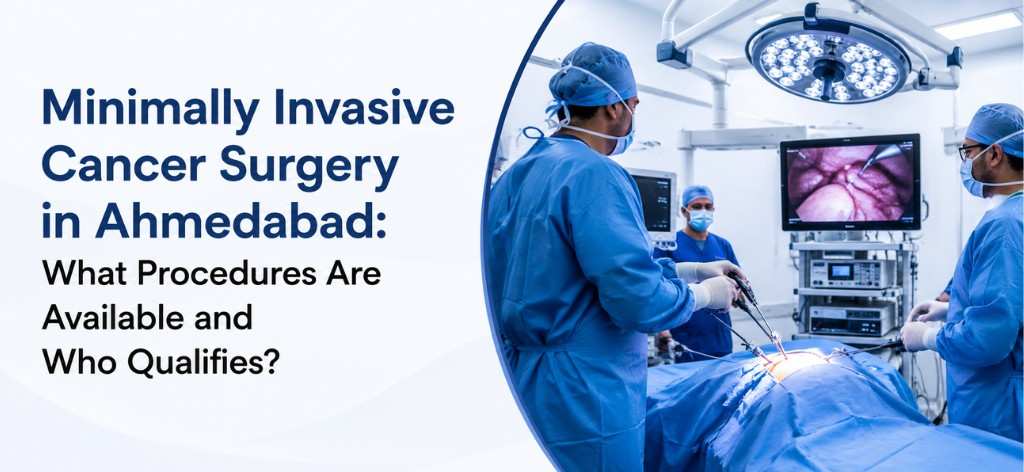
Minimally invasive cancer surgery refers to surgical techniques that use small incisions — rather than a single large opening — to access and remove tumors or affected tissue. Surgeons use specialized instruments and camera systems to perform the procedure with precision.
The most common approaches include:
- Laparoscopic surgery — thin instruments and a camera (laparoscope) are inserted through small cuts in the abdomen
- Robotic-assisted surgery — the surgeon controls robotic arms offering enhanced precision and range of motion
- Thoracoscopic surgery — a minimally invasive approach used for chest and lung-related procedures
- Endoscopic surgery — used for cancers affecting the digestive tract or airways
These techniques are broadly referred to as keyhole surgery for cancer in Ahmedabad and are increasingly used across multiple cancer types when appropriate.
Which Cancers Can Be Treated With Minimally Invasive Surgery?
Not all cancers are treated the same way, but minimally invasive surgery has shown strong clinical outcomes across several cancer types. At Zanish Cancer Hospital, our surgical oncologists evaluate each patient individually. Commonly treated cancers using these techniques include:
Colorectal Cancer Laparoscopic colectomy is widely used for eligible colorectal cancer patients. It allows removal of the affected section of the bowel through small incisions, reducing hospital stay and aiding faster recovery.
Gynecological Cancers Cancers of the uterus (endometrial cancer) and early-stage cervical cancer can often be treated laparoscopically or with robotic assistance. These approaches are particularly beneficial for patients concerned about recovery time.
Kidney Cancer Laparoscopic or robotic nephrectomy — partial or full removal of the kidney — is a standard approach for appropriately staged renal cancers.
Lung Cancer Video-Assisted Thoracoscopic Surgery (VATS) is used for early-stage lung cancer, offering effective tumor removal through small chest incisions rather than opening the chest wall.
Gastric and Esophageal Cancer Selected patients with stomach or esophageal cancer may be candidates for minimally invasive resection, depending on the tumor’s location and stage.
Liver and Pancreatic Tumors While more complex, select liver and pancreatic surgeries are now performed laparoscopically or with robotic support at specialized centers with trained oncology surgeons.
Benefits of Minimally Invasive Surgical Oncology
Patients who are appropriate candidates for minimally invasive procedures often experience measurable benefits compared to open surgery. These include:
- Smaller incisions and reduced scarring
- Less intraoperative blood loss
- Lower risk of post-operative infection
- Shorter hospital stay
- Faster return to daily activities
- Reduced post-operative pain
- Better cosmetic outcomes
It is important to understand that minimally invasive techniques are chosen based on clinical appropriateness — not simply patient preference. Surgical outcomes depend on the type, stage, and location of cancer, as well as the patient’s overall health.
Am I a Candidate for Minimally Invasive Cancer Surgery in Gujarat?
This is one of the most common questions patients ask when exploring surgical oncology options in India. Candidacy is determined through a thorough clinical evaluation. Factors that influence eligibility include:
Tumor Stage and Size Earlier-stage cancers where the tumor is localized are generally more suitable. Advanced or metastatic cancers may require open surgery or a combined approach.
Tumor Location The anatomical position of the tumor determines whether a minimally invasive approach is technically feasible and safe.
Prior Surgeries or Abdominal Adhesions Previous abdominal surgeries can create scar tissue that may complicate laparoscopic access.
Overall Health and Fitness for Surgery Your cardiovascular health, lung capacity, and BMI all influence which surgical approach is safest for you.
Cancer Type and Pathology Some cancer types respond better to minimally invasive resection, while others require open surgical access for complete removal and adequate margin clearance.
Your surgical oncologist will review imaging reports, biopsy results, and your complete medical history before recommending a course of action. No patient should self-assess eligibility — always consult a trained oncology surgeon.
Surgical Oncology Options in Ahmedabad: The Local Context
Ahmedabad and the broader Gujarat region have seen significant growth in specialized oncology infrastructure over the past decade. Patients from cities like Surat, Vadodara, Rajkot, and Gandhinagar now have access to advanced surgical oncology care without traveling to metropolitan centers like Mumbai or Delhi.
Zanish Cancer Hospital, located in Ahmedabad, is equipped with modern operation theatres and imaging-integrated surgical planning tools. Patients from across Gujarat seek laparoscopic cancer surgery and other advanced procedures here, supported by a multidisciplinary team that includes surgical oncologists, medical oncologists, radiologists, and pathologists working in coordination.
Zanish Cancer Hospital's Role in Minimally Invasive Oncology
At Zanish Cancer Hospital, our surgical oncology team brings dedicated expertise in minimally invasive procedures across multiple cancer types. We approach every case with the understanding that surgery is not just a clinical event — it is a pivotal moment in a patient’s cancer journey.
What we offer:
- Laparoscopic and robotic-assisted oncology surgeries
- Pre-surgical tumor board review for complex cases
- Personalized surgical planning based on imaging and pathology
- Coordinated care with medical and radiation oncology teams
- Dedicated post-operative recovery support
Our team follows evidence-based surgical protocols aligned with national and international oncology guidelines. We believe that the best surgical outcome begins with the right decision — which means some patients will be directed toward open surgery when that is clinically the most appropriate choice.
We also understand the practical concerns of patients from Ahmedabad and surrounding regions — from understanding costs to planning post-surgical care at home. Our patient support team is available to guide you through every stage of the process.
Conclusion
Minimally invasive cancer surgery in Ahmedabad has made it possible for eligible patients to receive effective surgical treatment with reduced physical burden and faster recovery. From laparoscopic colorectal surgery to robotic gynecological procedures, the range of surgical oncology options continues to grow.
However, every cancer case is unique. The most important step you can take is to consult with an experienced surgical oncologist who can evaluate your specific diagnosis, imaging, and health status to determine the safest and most effective surgical approach for you.
If you or a loved one is exploring surgical options after a cancer diagnosis, Zanish Cancer Hospital in Ahmedabad is here to help. Reach out to our team to schedule a consultation with our surgical oncology specialists.
Disclaimer: This article is intended for informational purposes only and does not constitute medical advice. Please consult a qualified oncologist or surgical specialist for diagnosis and treatment recommendations specific to your condition.
Frequently Asked Questions
Tongue cancer surgery typically involves removal of the tumor (glossectomy), a possible neck dissection to address affected lymph nodes, and reconstructive surgery to restore tongue function. The exact procedure depends on the tumor's size, stage, and location.
Look for a board-certified head and neck surgical oncologist with demonstrated experience in oral cancer surgeries and reconstructive procedures. Zanish Cancer Hospital has a specialized team of head and neck oncologists serving patients from across Gujarat.
Treatment planning is based on a thorough evaluation of the tumor's stage, size, and location, along with the patient's overall health. At Zanish Cancer Hospital, a multidisciplinary tumor board reviews each case to recommend the most appropriate surgical and adjuvant treatment approach.
Many patients regain meaningful levels of speech and swallowing function through dedicated rehabilitation. Regular follow-up care, speech therapy, dietary support, and emotional counselling are key pillars of recovery. Outcomes are significantly better when cancer is diagnosed at an early stage.
Early-stage tongue cancer (Stage I or II) has significantly better outcomes compared to advanced-stage disease. Prompt diagnosis followed by timely surgical intervention greatly improves the overall prognosis. This is why regular dental and oral health check-ups are strongly encouraged.
Make Appointment
Address
1st Floor, Viva Atelier, Opp. B.D. Patel House, Near Sardar Patel Statue, Behind Sardar Patel Colony, Naranpura, Ahmedabad-380014. (Gujarat) India
Contact Us
+91 7433852300