
Introduction
Receiving a colorectal cancer diagnosis can feel overwhelming, but advances in surgical techniques have transformed treatment outcomes for patients in Ahmedabad and across Gujarat. Modern colorectal cancer surgery in Ahmedabad now emphasizes minimally invasive approaches that reduce recovery time, minimize discomfort, and improve long-term results. Whether you’re facing colon cancer or rectal cancer, understanding your surgical options is an essential step in making informed decisions about your care.
At Zanish Cancer Hospital, we recognize that each patient’s journey is unique. This article explores the latest minimally invasive techniques for colorectal cancer treatment, helping you understand what these advanced surgical approaches involve, their benefits, and how they can support your path to recovery. Our goal is to provide clear, compassionate information that empowers you to discuss treatment options confidently with your healthcare team.
Understanding Colorectal Cancer and Surgical Treatment
Colorectal cancer affects the colon or rectum, parts of the digestive system responsible for processing waste. When detected early, surgical removal of cancerous tissue often provides the best chance for successful treatment. Traditional open surgery has been the standard approach for decades, but technological advances have made minimally invasive techniques increasingly effective and accessible.
Key Risk Factors Include:
- Age over 50 years
- Family history of colorectal cancer
- Inflammatory bowel diseases
- Sedentary lifestyle and dietary factors
- Smoking and excessive alcohol consumption
Early detection through screening significantly improves treatment outcomes, making regular colonoscopies crucial for at-risk individuals.
Minimally Invasive Surgical Techniques
Laparoscopic Colorectal Surgery
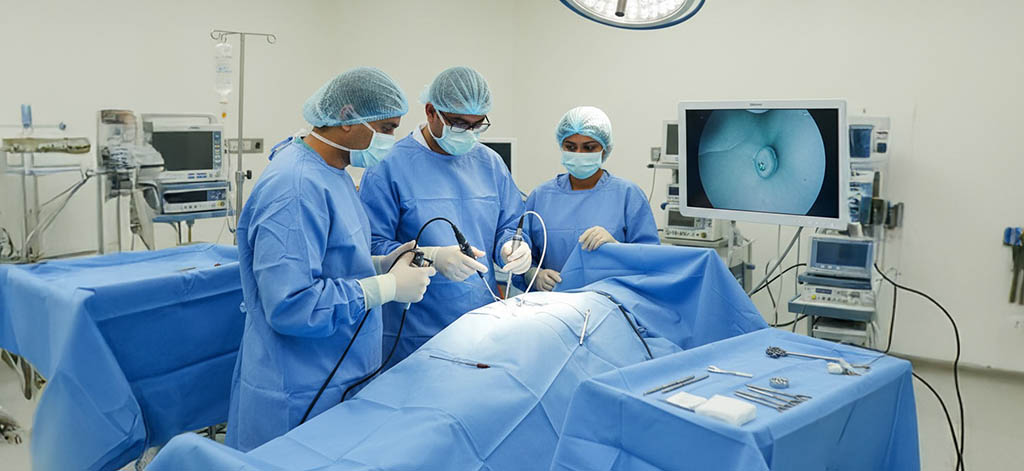
Laparoscopic colon cancer treatment in Gujarat has become a preferred option for many patients. This technique involves making several small incisions rather than one large opening. A laparoscope—a thin tube with a camera—allows surgeons to view the surgical area on high-definition monitors while specialized instruments perform the procedure.
Benefits of Laparoscopic Approach:
- Smaller incisions resulting in less scarring
- Reduced postoperative pain
- Shorter hospital stays (typically 3-5 days versus 7-10 days)
- Faster return to normal activities
- Lower risk of infection and complications
- Better cosmetic outcomes
Studies consistently demonstrate that laparoscopic techniques achieve cancer removal outcomes comparable to traditional surgery while offering significant recovery advantages.
Robotic Colorectal Surgery
Robotic colorectal surgery represents the latest evolution in minimally invasive techniques. This approach uses a sophisticated robotic system controlled by the surgeon, providing enhanced precision, flexibility, and visualization. The robotic arms can rotate and maneuver in ways human hands cannot, particularly valuable in the confined space of the pelvis during rectal cancer procedures.
Advantages of Robotic Surgery:
- Three-dimensional, magnified surgical view
- Enhanced precision in tight anatomical spaces
- Improved nerve preservation, particularly important for rectal surgery
- Reduced tremor and increased dexterity
- Better outcomes for complex cases
Robotic surgery is especially beneficial for rectal cancer treatment, where preserving nearby nerves and structures affects bowel, urinary, and sexual function.
The Surgical Process: What Patients Can Expect
Understanding the surgical journey helps reduce anxiety and allows for better preparation.
Preoperative Phase: Before surgery, patients undergo comprehensive evaluation including imaging studies, blood tests, and sometimes colonoscopy. A bowel preparation protocol cleanses the colon, and patients meet with their surgical team to discuss the procedure, risks, and expected outcomes.
During Surgery: Minimally invasive colorectal cancer surgery typically takes 2-4 hours, depending on complexity and cancer location. Under general anesthesia, the surgeon removes the affected bowel segment along with surrounding lymph nodes for examination. Healthy bowel ends are then reconnected, usually without requiring a permanent colostomy.
Recovery Timeline:
- Days 1-2: Patients begin walking and consuming clear liquids
- Days 3-5: Diet advances as bowel function returns; most patients prepare for discharge
- Weeks 2-4: Gradual return to light activities
- Weeks 6-8: Most patients resume normal activities with medical clearance
Recovery varies based on individual health status, cancer stage, and specific procedure performed.
Selecting the Right Surgical Approach
Not every patient is a candidate for minimally invasive surgery. Your bowel cancer specialist considers multiple factors when recommending the most appropriate technique:
- Tumor size, location, and stage
- Previous abdominal surgeries
- Overall health and medical conditions
- Body mass index
- Emergency versus planned surgery
Advanced or locally invasive cancers may require traditional open surgery to ensure complete tumor removal. The primary goal remains achieving the best cancer outcome; the surgical approach serves that objective.
Multidisciplinary Care and Treatment Planning
Modern colorectal cancer treatment extends beyond surgery. A comprehensive approach often includes:
Chemotherapy and Radiation: Some patients receive neoadjuvant therapy (treatment before surgery) to shrink tumors, or adjuvant therapy (treatment after surgery) to eliminate remaining cancer cells.
Genetic and Molecular Testing: Advanced testing helps identify specific cancer characteristics, guiding personalized treatment decisions and predicting treatment response.
Nutritional Support: Maintaining good nutrition before and after surgery significantly impacts healing and recovery.
Psychological Support: Cancer diagnosis and treatment affect emotional wellbeing. Counseling and support groups provide valuable assistance throughout the journey.
Living in Ahmedabad: Access to Advanced Care
Patients in Ahmedabad and throughout Gujarat now have access to world-class colorectal cancer care without traveling outside the state. The city’s healthcare infrastructure has expanded significantly, with specialized cancer centers offering technologies and expertise previously available only in major metropolitan areas.
Local Healthcare Advantages:
- Proximity to family support systems during treatment
- Familiarity with local language and cultural preferences
- Reduced travel burden for follow-up appointments
- Access to support services within the community
- Cost-effective care without compromising quality
Gujarat’s medical community continues advancing cancer care standards, bringing cutting-edge treatments closer to patients who need them.
Zanish Cancer Hospital's Approach to Colorectal Cancer Surgery
Zanish Cancer Hospital provides comprehensive colorectal cancer care centered on patient needs and medical excellence. Our approach combines advanced surgical techniques with compassionate, personalized attention.
Our Surgical Expertise: Our team includes fellowship-trained surgical oncologists specializing in colorectal malignancies. With extensive experience in both laparoscopic and robotic techniques, our surgeons stay current with evolving best practices through continuous education and training.
State-of-the-Art Infrastructure: We maintain modern operating theaters equipped with advanced laparoscopic and robotic surgical systems. High-definition imaging and specialized instrumentation enable precise, effective cancer removal with minimal tissue disruption.
Comprehensive Cancer Care: Beyond surgery, we offer integrated services including medical oncology, radiation therapy, pathology, radiology, and supportive care. This multidisciplinary approach ensures coordinated treatment tailored to each patient’s unique situation.
Patient-Centered Philosophy: We recognize that cancer treatment involves more than medical procedures. Our team provides clear communication, involves patients in decision-making, addresses concerns promptly, and supports families throughout the treatment journey.
Accessibility in Ahmedabad: Located to serve Ahmedabad and surrounding regions, we make advanced colorectal cancer care accessible to Gujarat residents. Our team assists with appointment scheduling, second opinions, and treatment planning consultations.
Conclusion and Next Steps
Minimally invasive colorectal cancer surgery in Ahmedabad offers patients effective treatment with enhanced recovery profiles. Whether laparoscopic or robotic approaches are appropriate for your situation, these advanced techniques represent significant progress in colorectal cancer care.
If you or a loved one faces a colorectal cancer diagnosis, seeking consultation with experienced specialists is crucial. Early evaluation allows for thorough treatment planning and better outcomes. At Zanish Cancer Hospital, we’re committed to providing expert care that respects your concerns, answers your questions, and supports your health goals.
Take the Next Step: Don’t navigate this journey alone. Contact Zanish Cancer Hospital to schedule a consultation with our colorectal cancer specialists. We’ll review your diagnosis, discuss treatment options including minimally invasive surgical techniques, and develop a personalized care plan that prioritizes your wellbeing and recovery.
Medical Disclaimer: This article provides general information about colorectal cancer surgery and should not replace professional medical advice. Treatment decisions should be made in consultation with qualified healthcare providers who can evaluate your specific medical situation.
Make Appointment
Address
1st Floor, Viva Atelier, Opp. B.D. Patel House, Near Sardar Patel Statue, Behind Sardar Patel Colony, Naranpura, Ahmedabad-380014. (Gujarat) India
Contact Us
+91 7433852300