
Introduction
One of the most common questions patients and caregivers ask after a cancer diagnosis is a seemingly simple one: what should I eat? The answer matters more than many people initially realise. Cancer nutrition in Ahmedabad is an area of oncology care that directly influences how well a patient tolerates treatment, maintains body weight, preserves immune function, and recovers between treatment cycles. Chemotherapy, radiation, and surgery each place significant physical demands on the body, and without adequate nutritional support, patients are at greater risk of treatment interruptions, infections, and prolonged recovery. This article provides evidence-based dietary guidance for cancer patients undergoing active treatment, explains why nutritional support is a clinical priority and not simply a lifestyle consideration, and outlines what a structured approach to cancer nutrition looks like at Zanish Cancer Hospital.
Why Nutrition Matters During Cancer Treatment
Cancer and its treatment affect the body’s ability to obtain and use nutrients in several interconnected ways. Tumours can alter metabolism, increasing the body’s energy demands even when a patient is eating less than usual. Treatment side effects including nausea, vomiting, mucositis, taste changes, and reduced appetite make it difficult for many patients to maintain adequate food intake.
Malnutrition is a clinically significant concern in oncology. Research consistently shows that cancer patients who experience significant weight loss and nutritional decline during treatment face higher rates of treatment toxicity, greater susceptibility to infection, longer hospital stays, and in some cases reduced tolerance for the planned treatment dose. Nutritional support during chemotherapy is therefore not a secondary consideration but a component of the overall treatment plan.
For patients in Ahmedabad and across Gujarat, where dietary habits are often built around traditional foods and family meal practices, nutritional guidance needs to be practical, culturally informed, and realistic for daily life.
Key Nutritional Priorities During Active Cancer Treatment
While every patient’s dietary needs vary based on their cancer type, treatment protocol, body weight, and individual response to therapy, several core nutritional principles apply broadly during active treatment.
Adequate protein intake: Protein is essential for tissue repair, immune function, and the maintenance of muscle mass. During chemotherapy and radiation, protein requirements are elevated. Good sources include pulses such as dal and rajma, paneer, eggs, fish, chicken, and soy-based foods. Patients who are struggling to eat full meals may benefit from protein-rich small portions distributed across the day.
Sufficient calorie intake: Maintaining body weight during treatment is a clinical goal. Unintentional weight loss is a warning sign that warrants prompt dietitian review. Calorie-dense foods that are easy to eat in small quantities, such as nut butters, full-fat dairy, avocado, and cooked whole grains, can help patients meet their energy needs even when appetite is reduced.
Hydration: Adequate fluid intake is particularly important during chemotherapy. Certain drugs are nephrotoxic, meaning they can affect kidney function, and proper hydration helps protect the kidneys and supports the elimination of treatment by-products. Patients should aim to drink sufficient water throughout the day and monitor for signs of dehydration including dark urine, dizziness, and reduced urine output.
Managing treatment-related side effects through diet: Specific dietary adjustments can help manage common side effects.
- Nausea: Small, frequent meals, bland foods, ginger-based preparations, and avoiding strong food odours can reduce nausea severity
- Mouth sores or mucositis: Soft, cool, non-acidic foods such as yoghurt, cooked vegetables, and porridge are easier to tolerate
- Constipation: Gradual increase in dietary fibre from cooked vegetables, whole grains, and adequate fluids supports bowel regularity
- Diarrhoea: A low-fibre, easily digestible diet with careful attention to hydration is recommended during episodes of treatment-related diarrhoea
- Taste changes: Experimenting with food temperature, texture, and mild seasoning can help patients find foods that remain palatable when taste perception has been altered by treatment
Foods to Approach With Caution During Treatment
Certain foods and dietary practices require particular care during cancer treatment. Patients should be aware of the following considerations and always discuss specific dietary questions with their oncology dietitian.
Raw and undercooked foods: Patients with treatment-related immune suppression are at increased risk of foodborne infections. During periods of low white blood cell counts, raw meat, raw fish, unpasteurised dairy, and unwashed raw produce should be avoided.
Unverified supplements and herbal remedies: A significant number of cancer patients seek herbal remedies, ayurvedic preparations, or dietary supplements, often without disclosing this to their oncology team. Some herbal products and high-dose supplements interact with chemotherapy drugs, potentially reducing their effectiveness or increasing toxicity. No supplement should be taken during treatment without explicit approval from the treating oncologist.
Immune-boosting foods in context: The term immune-boosting is frequently used in popular health content but requires careful clinical framing in oncology. During certain phases of treatment, stimulating immune activity may be contraindicated. Dietary choices should be guided by the treating team rather than general wellness claims.
Excessive dietary restriction: Some patients pursue highly restrictive diets, such as extreme sugar elimination or very low calorie protocols, based on popular claims about starving cancer cells. These approaches are not supported by current oncology evidence as standalone interventions and risk contributing to malnutrition. Patients should consult their oncology dietitian before making significant dietary changes.
The Role of an Oncology Dietitian
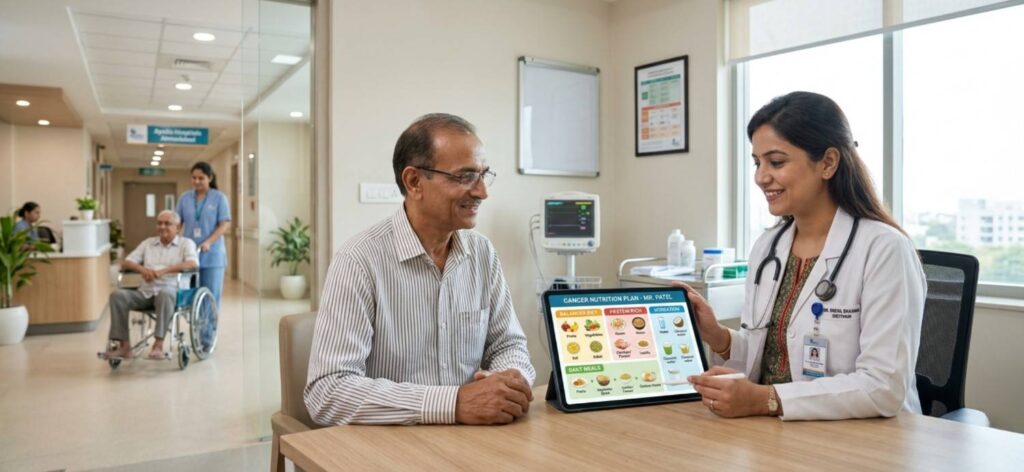
An oncology dietitian is a registered nutrition professional with specialist training in the dietary management of cancer patients. Their role goes beyond general healthy eating advice. They assess each patient’s nutritional status, identify risks for malnutrition, develop a personalised cancer diet plan, and adjust recommendations as treatment progresses and side effects change.
For patients receiving treatment in Ahmedabad, access to a dedicated oncology dietitian within the cancer care team provides a level of nutritional guidance that general dietary advice cannot replicate. A cancer diet plan developed by a specialist accounts for the patient’s specific treatment protocol, current side effects, cultural food preferences, and clinical nutritional targets.
Zanish Cancer Hospital's Role in Cancer Nutrition Support
Zanish Cancer Hospital in Ahmedabad integrates nutritional support into its cancer care programme as a clinical priority. Patients undergoing chemotherapy, radiation, or surgical treatment have access to oncology dietitian consultations as part of their overall care pathway.
The hospital’s nutrition support approach involves formal nutritional assessment at the start of treatment, ongoing monitoring of weight and dietary intake, and personalised dietary guidance adjusted to each phase of the treatment journey. Dietitian input is coordinated with the broader multidisciplinary team to ensure that nutritional goals align with clinical treatment targets.
Patients and caregivers are provided with practical dietary guidance that is relevant to everyday eating in Ahmedabad, drawing on locally available foods and realistic meal planning strategies. The aim is to help patients maintain nutritional status, manage side effects, and feel supported in an aspect of their care that they can actively participate in.
Conclusion
Cancer nutrition in Ahmedabad is a clinically important component of treatment that directly affects how patients tolerate therapy, recover between cycles, and maintain overall health. Adequate protein and calorie intake, careful hydration, and side effect-specific dietary adjustments are all areas where structured guidance makes a meaningful difference. Patients should not rely on general dietary advice or unverified sources when navigating nutrition during cancer treatment.
If you are currently undergoing cancer treatment or preparing to begin, speaking with an oncology dietitian is a valuable and recommended step. The team at Zanish Cancer Hospital is available to provide nutritional assessments and personalised dietary support. Contact the hospital to arrange a consultation and ensure that nutrition is a supported part of your treatment plan.
Disclaimer: This article is for general informational purposes only and does not constitute medical or dietary advice. Please consult a qualified oncology dietitian or healthcare professional for personalised nutritional guidance.
Make Appointment
Address
1st Floor, Viva Atelier, Opp. B.D. Patel House, Near Sardar Patel Statue, Behind Sardar Patel Colony, Naranpura, Ahmedabad-380014. (Gujarat) India
Contact Us
+91 7433852300