
Introduction
Facing cancer surgery is challenging enough without also feeling uncertain about what recovery will actually look like afterward. If you or a loved one is preparing for cancer surgery in Ahmedabad, understanding a general recovery after cancer surgery timeline can help ease some of the uncertainty and help both patients and caregivers feel more prepared for what lies ahead.
This article walks through what recovery may generally look like in the weeks following cancer surgery, while emphasizing that individual healing varies significantly based on the type of surgery, overall health, and personal factors. At Zanish Cancer Hospital, we believe patients and families deserve realistic, honest guidance, not a one-size-fits-all timeline presented as guaranteed.
Why Recovery Timelines Vary So Widely
Before outlining a general week-by-week overview, it’s important to understand that recovery after cancer surgery is highly individualized. Factors that influence healing include:
– The specific type and extent of surgery performed
– Whether the procedure was minimally invasive or open surgery
– The patient’s overall health and any coexisting medical conditions
– Age and general physical fitness
– Whether additional treatments, such as chemotherapy or radiation, are planned soon after surgery
Because of this variability, the timeline below should be understood as a general framework rather than a precise prediction for any individual patient.
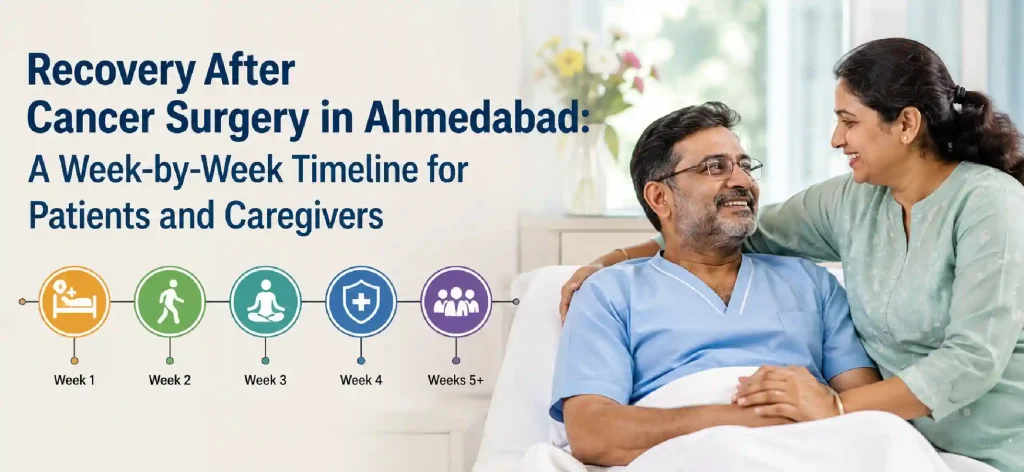
Week One: Immediate Post-Surgical Recovery
The first week after cancer surgery typically focuses on close monitoring, pain management, and early mobility. During this period, patients can generally expect:
– Hospital monitoring for a period determined by the surgical team based on procedure type and recovery progress
– Pain management through prescribed medication
– Gradual reintroduction of movement, often starting with short walks as advised by the care team
– Wound care instructions and monitoring for signs of infection
– Initial dietary guidance, which may start with lighter foods before gradually returning to a normal diet
Caregivers play an important role during this early period, helping monitor the patient’s comfort, medication schedule, and any concerning symptoms that should be reported to the medical team.
Early Weeks: Continued Healing and Gradual Activity
In the weeks following the initial recovery period, patients generally continue building strength and mobility while wounds continue healing. This phase typically involves:
– Gradually increasing activity levels as advised by the surgical team
– Continued wound care and monitoring for proper healing
– Follow-up appointments to assess surgical site healing and overall recovery progress
– Adjustments to pain management as discomfort typically decreases
– Beginning physical therapy, if recommended, particularly after surgeries affecting mobility or lymph node removal
Fatigue is common during this stage, and patients are generally encouraged to balance rest with light, approved activity rather than pushing too quickly toward full activity levels.
Ongoing Recovery: Building Strength and Routine
As healing progresses, patients typically continue transitioning toward greater independence and normal daily activities, though this timeline varies considerably based on surgery type and individual healing. This stage often includes:
– Further increases in physical activity, guided by medical clearance
– Continued follow-up appointments to monitor recovery and discuss any additional treatment plans
– Nutritional support to help rebuild strength and support healing
– Emotional and psychological adjustment, as patients process both the surgical experience and broader cancer journey
– Planning for any additional treatments, such as chemotherapy or radiation, if part of the overall treatment plan
Patients should continue reporting any unusual symptoms, persistent pain, or signs of complications to their care team promptly throughout this period.
Longer-Term Recovery Considerations
For more extensive surgeries, particularly those involving major organ resection, reconstructive procedures, or lymph node removal, full recovery may extend over a longer period. During this time, patients may continue working with physical therapists, oncology nutritionists, and their surgical team to support complete healing and address any lingering effects of surgery.
Emotional recovery often continues well beyond physical healing, and ongoing counseling or support group involvement can be valuable throughout this extended period.
Tips for Supporting Faster, Smoother Recovery
While recovery pace varies by individual, several general practices tend to support smoother healing after cancer surgery:
– Closely following all post-operative care instructions provided by your surgical team
– Attending all scheduled follow-up appointments, even when feeling well
– Prioritizing balanced nutrition to support tissue healing and energy levels
– Gradually increasing activity as approved, rather than rushing or remaining overly sedentary
– Promptly reporting any unusual symptoms, such as fever, unusual swelling, or wound changes
– Leaning on caregiver support and counseling resources for emotional wellbeing during recovery
The Caregiver’s Role in Recovery
Caregivers play a vital role throughout the recovery process, from monitoring symptoms and medication schedules to providing emotional support during a physically and emotionally demanding time. It’s equally important for caregivers to look after their own wellbeing, as supporting a loved one through cancer recovery can be demanding in its own right.
Local Considerations for Patients in Ahmedabad and Gujarat
Ahmedabad’s growing healthcare infrastructure offers patients access to coordinated post-surgical care, including physical therapy, nutritional counseling, and follow-up oncology services, without needing to travel to other cities for specialized rehabilitation support. This can meaningfully ease the logistical burden for patients and families across Gujarat during an already demanding recovery period.
Zanish Cancer Hospital’s Role in Post-Surgical Recovery
At Zanish Cancer Hospital in Ahmedabad, our surgical oncology team, led by Dr. Nishant Sanghavi, provides comprehensive post-operative care that extends well beyond the surgical procedure itself. We prioritize clear, individualized guidance on wound care, activity progression, and follow-up scheduling tailored to each patient’s specific surgery and healing pace.
Our approach includes coordination with nutritional counseling and physical therapy referrals when needed, supporting patients through every stage of recovery rather than treating surgery as an isolated event. We also recognize the emotional weight of cancer recovery, offering counseling support for both patients and caregivers throughout the healing journey.
Being based in Ahmedabad, we serve patients across Gujarat, providing coordinated surgical and recovery care supported by a 24/7 helpline for questions that arise during the healing process.
Conclusion: Recovery Is a Journey, Not a Race
Recovery after cancer surgery unfolds differently for every patient, shaped by the type of surgery, individual health, and personal healing pace. While a general timeline can offer helpful context, patience and close communication with your care team matter far more than rushing toward a specific milestone.
If you or a loved one is preparing for or recovering from cancer surgery in Ahmedabad, we encourage you to reach out to our surgical oncology team at Zanish Cancer Hospital. We’re here to guide you through every stage of recovery with honest, personalized support. Reach out today to schedule a consultation.
Frequently Asked Questions
Recovery time varies significantly based on the type and extent of surgery, overall health, and individual healing. Your surgical team can provide a personalized recovery estimate based on your specific procedure.
Early recovery generally focuses on monitoring, pain management, and gradual mobility, followed by continued healing, increasing activity, and follow-up care in the weeks that follow, though the exact pace depends on the individual.
Following post-operative instructions closely, attending follow-up appointments, maintaining balanced nutrition, gradually increasing activity, and promptly reporting unusual symptoms can all support smoother recovery.
Contact your care team promptly if you notice fever, unusual swelling, wound changes, worsening pain, or any symptoms that feel concerning or unexpected.
Caregivers help monitor symptoms and medication schedules, support daily activities, and provide emotional support, while also needing to prioritize their own wellbeing during this demanding period.
This article is intended for general informational purposes and does not replace professional medical advice. Please consult a qualified oncologist or healthcare provider for diagnosis and treatment specific to your condition.
Make Appointment
Address
1st Floor, Viva Atelier, Opp. B.D. Patel House, Near Sardar Patel Statue, Behind Sardar Patel Colony, Naranpura, Ahmedabad-380014. (Gujarat) India
Contact Us
+91 7433852300