
Introduction
When facing a cancer diagnosis that requires surgery, patients naturally worry about the invasiveness of the procedure, recovery time, and potential complications. Today, robotic cancer surgery Ahmedabad offers a transformative alternative to traditional open surgery, combining advanced technology with surgical expertise to provide more precise, less invasive cancer treatment. This innovative approach is revolutionizing how cancer surgeries are performed, offering patients faster recovery, reduced pain, and better functional outcomes while maintaining excellent cancer control.
Understanding how robotic surgery works, its benefits, which cancers can be treated with this approach, and what to expect can help you make informed decisions about your cancer treatment. This comprehensive guide explores robotic-assisted surgery and how Zanish Cancer Hospital is bringing this cutting-edge technology to patients throughout Gujarat.
What is Robotic Cancer Surgery?
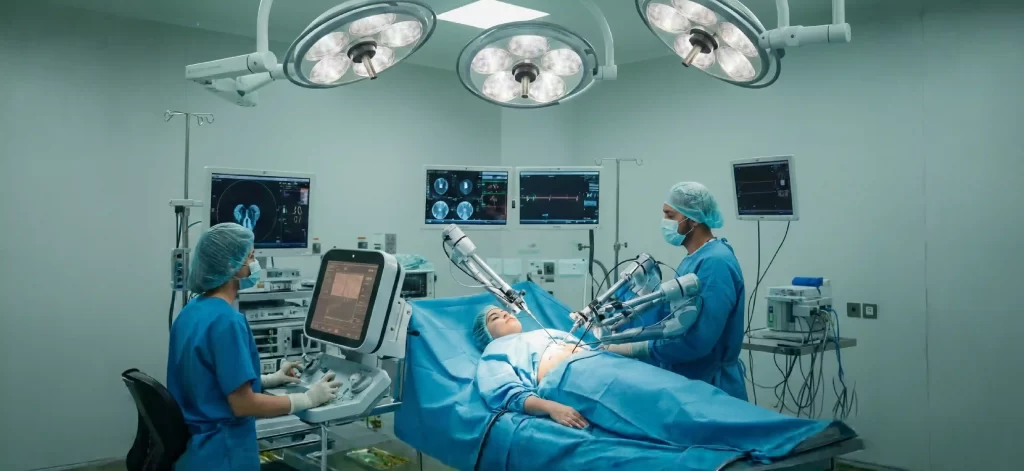
Robotic cancer surgery is an advanced form of minimally invasive oncology that uses sophisticated robotic systems to perform complex surgical procedures through small incisions. The most widely used system is the da Vinci Surgical System, though other platforms are also available.
Despite the name, robotic surgery doesn’t mean robots operate independently. Rather, a highly trained surgeon controls the robotic system from a specialized console, with the robot translating the surgeon’s hand movements into precise micro-movements of surgical instruments inside the patient’s body.
How Robotic Surgical Systems Work
The robotic surgical system consists of several key components:
Surgeon Console The surgeon sits at a console with a high-definition 3D viewing screen and controls that manipulate the robotic arms. This ergonomic design allows the surgeon to operate comfortably during lengthy, complex procedures.
Robotic Arms Multiple robotic arms hold miniature surgical instruments and a high-definition camera. These arms are inserted through small incisions, typically 8-12mm each.
Instrument Cart The cart positions next to the patient and holds the robotic arms that perform the surgery.
Advanced Instruments Specialized instruments attach to the robotic arms, featuring articulating “wrists” that bend and rotate with greater range of motion than the human hand, enabling precise movements in confined spaces.
Advantages of Robotic Surgery Over Traditional Approaches
Robotic-assisted surgery Gujarat facilities offer represents a significant advancement over both traditional open surgery and conventional laparoscopic techniques:
Enhanced Surgical Precision
Magnified 3D Visualization The robotic system provides 10-15x magnification with high-definition 3D imaging, allowing surgeons to see anatomical structures, blood vessels, and nerves with exceptional clarity.
Tremor Filtration The system filters out any hand tremors, ensuring steady, controlled movements even during delicate dissection.
Increased Dexterity Robotic instruments can rotate 360 degrees and bend in ways human wrists cannot, allowing access to hard-to-reach areas and precise movements in confined spaces like the pelvis or chest.
Minimally Invasive Benefits
Smaller Incisions Multiple small incisions replace the single large incision of open surgery, resulting in:
- Less tissue trauma
- Reduced blood loss during surgery
- Lower infection risk
- Minimal scarring
Faster Recovery Patients typically experience:
- Shorter hospital stays (often 1-3 days versus 5-10 days for open surgery)
- Less postoperative pain
- Quicker return to normal activities
- Reduced need for pain medications
Better Functional Outcomes Precision cancer surgery techniques help preserve:
- Nerve function (reducing risk of incontinence or sexual dysfunction)
- Healthy surrounding tissue
- Organ function when possible
- Quality of life after cancer treatment
Improved Oncological Outcomes
Studies demonstrate that robotic surgery achieves cancer control rates comparable to or better than open surgery while offering the benefits of minimally invasive approaches. Complete tumor removal with adequate margins and thorough lymph node sampling are consistently achieved.
Cancer Types Treated with Robotic Surgery
Advanced surgical techniques using robotic systems are now applied across numerous cancer types:
Prostate Cancer
Robotic prostatectomy has become the gold standard for surgical treatment of localized prostate cancer, offering excellent cancer control while better preserving urinary continence and sexual function compared to traditional approaches.
Gynecological Cancers
Robotic surgery effectively treats:
- Endometrial (uterine) cancer
- Cervical cancer
- Ovarian cancer
- Complex hysterectomies for cancer
The narrow confines of the female pelvis make robotic precision particularly advantageous for these procedures.
Colorectal Cancers
Robotic-assisted surgery for colon and rectal cancers allows precise dissection in the pelvis, improving sphincter preservation rates in rectal cancer and reducing complications.
Head and Neck Cancers
Transoral robotic surgery (TORS) accesses tumors in the throat, tongue base, and tonsils through the mouth, avoiding external incisions and preserving swallowing and speech function.
Kidney and Bladder Cancers
Robotic partial nephrectomy removes kidney tumors while preserving healthy kidney tissue. Robotic cystectomy treats bladder cancer with reduced blood loss and faster recovery.
Lung Cancer
Robotic lobectomy removes cancerous lung lobes through small chest incisions, reducing pain and respiratory complications compared to traditional thoracotomy.
Gastric and Esophageal Cancers
Complex upper gastrointestinal cancer surgeries benefit from robotic precision in narrow spaces.
Pancreatic Cancer
Select pancreatic cancer procedures utilize robotic approaches, though not all cases are suitable.
Who is a Candidate for Robotic Cancer Surgery?
Not every cancer patient requires or is suitable for robotic surgery. Candidacy depends on multiple factors:
Cancer-Related Factors
- Tumor size, location, and stage
- Extent of cancer spread
- Previous treatments received
Patient Factors
- Overall health status
- Body mass index and anatomy
- Previous abdominal or pelvic surgeries
- Patient preferences and treatment goals
Technical Considerations
- Surgeon expertise with robotic techniques
- Availability of appropriate equipment
- Whether robotic approach offers advantages over other methods
Your surgical oncologist will evaluate these factors to determine the most appropriate surgical approach for your specific situation.
What to Expect During Robotic Cancer Surgery
Before Surgery
Preoperative Evaluation Comprehensive assessment includes:
- Imaging studies (CT, MRI, PET scans)
- Blood tests and cardiac evaluation
- Consultation with the surgical team
- Anesthesia assessment
Preparation Your surgeon will explain the procedure, potential risks, expected outcomes, and recovery timeline. You’ll receive specific instructions about eating, drinking, and medications before surgery.
During the Procedure
Robotic cancer surgery is performed under general anesthesia. Duration varies depending on cancer type and complexity, typically ranging from 2-6 hours.
The surgeon makes several small incisions, inserts the robotic instruments and camera, then performs the surgery from the console while the surgical team assists at the patient’s side.
Recovery Process
Hospital Stay Most patients spend 1-3 days in the hospital, though complex procedures may require longer stays.
Pain Management Pain is typically less severe than after open surgery, often managed with oral medications rather than intravenous narcotics.
Activity Resumption
- Walking encouraged within hours of surgery
- Return to light activities within 1-2 weeks
- Full recovery and return to normal activities within 2-4 weeks for most procedures
Follow-up Care Regular appointments monitor healing and review pathology results, guiding any additional cancer treatment needed.
Potential Risks and Limitations
While robotic surgery offers many advantages, it’s important to understand potential risks:
General Surgical Risks
- Bleeding
- Infection
- Anesthesia complications
- Blood clots
Robotic-Specific Considerations
- Longer operating time for complex cases
- Rare technical equipment issues
- Need for conversion to open surgery if complications arise (occurs in less than 5% of cases)
Not Suitable for All Patients Very advanced cancers requiring extensive tissue removal may still need traditional open approaches.
Zanish Cancer Hospital: Leading Robotic Surgery in Gujarat
Zanish Cancer Hospital has established itself as a premier center for robotic cancer surgery Ahmedabad, investing in advanced technology and training to provide world-class minimally invasive oncology care.
State-of-the-Art Robotic Technology
The hospital features the latest robotic surgical systems, including da Vinci platforms with advanced imaging and instrumentation capabilities. Regular technology updates ensure patients receive care using the most current innovations.
Expert Surgical Team
Zanish Cancer Hospital’s surgical oncologists have undergone specialized training in robotic techniques, completing extensive certifications and maintaining ongoing proficiency through high surgical volumes. The team includes specialists in:
- Urologic oncology
- Gynecologic oncology
- Colorectal surgery
- Thoracic surgery
- Head and neck surgery
Comprehensive Cancer Care
Robotic surgery integrates seamlessly with the hospital’s full range of cancer services:
- Medical oncology for chemotherapy
- Radiation therapy
- Immunotherapy and targeted treatments
- Pathology and diagnostic services
- Supportive care and rehabilitation
Multidisciplinary Approach
Tumor boards bring together specialists from multiple disciplines to review each case and recommend optimal treatment plans, ensuring robotic surgery is used when it offers genuine advantages.
Patient-Centered Care
From initial consultation through recovery, the team prioritizes:
- Clear communication about treatment options
- Realistic expectations about outcomes
- Comprehensive preoperative education
- Attentive postoperative care
- Long-term follow-up and survivorship support
Accessible Excellence in Ahmedabad
By offering advanced robotic cancer surgery locally, Zanish Cancer Hospital eliminates the need for Gujarat patients to travel to other cities or countries for cutting-edge surgical care. This accessibility allows patients to receive world-class treatment while remaining close to family support systems.
Comparing Robotic Surgery to Other Approaches
Understanding how robotic surgery compares to alternatives helps in making informed decisions:
Robotic vs. Open Surgery Robotic surgery offers smaller incisions, less pain, faster recovery, and similar cancer control rates. Open surgery may still be preferred for very advanced cancers or when extensive tissue removal is required.
Robotic vs. Laparoscopic Surgery Both are minimally invasive, but robotic surgery provides superior visualization, greater instrument dexterity, and ergonomic advantages for the surgeon, particularly beneficial for complex procedures in confined anatomical spaces.
The best approach depends on individual circumstances, and your surgeon will recommend the option offering optimal outcomes for your specific cancer.
Conclusion
Robotic cancer surgery represents a significant advancement in surgical oncology, combining precision, minimal invasiveness, and excellent cancer outcomes. For patients in Ahmedabad and throughout Gujarat, access to this technology at Zanish Cancer Hospital means you can receive world-class surgical care without traveling outside the state.
The benefits of robotic-assisted surgery—faster recovery, less pain, reduced complications, and excellent cancer control—make it an attractive option for many patients. However, the most important factor remains receiving care from experienced surgeons who can determine the best approach for your individual situation.
If you or a loved one is facing cancer surgery, schedule a consultation at Zanish Cancer Hospital to discuss whether robotic surgery might be appropriate for your treatment. The expert surgical team will evaluate your case, explain all available options, and recommend the approach most likely to achieve excellent outcomes while prioritizing your quality of life.
Contact Zanish Cancer Hospital today to learn more about robotic cancer surgery options and take the first step toward advanced, minimally invasive cancer treatment.
Disclaimer: This article provides educational information about robotic cancer surgery and does not constitute medical advice. Surgical approach and treatment decisions should be made in consultation with qualified surgical oncologists based on individual patient circumstances, cancer characteristics, and current medical evidence.
Make Appointment
Address
1st Floor, Viva Atelier, Opp. B.D. Patel House, Near Sardar Patel Statue, Behind Sardar Patel Colony, Naranpura, Ahmedabad-380014. (Gujarat) India
Contact Us
+91 7433852300