
Introduction
Receiving a rectal cancer diagnosis can be overwhelming, leaving patients and their families searching for the most effective and least invasive treatment options available. Today, robotic rectal cancer surgery represents a significant advancement in colorectal oncology, offering patients in Ahmedabad access to cutting-edge surgical techniques that combine precision, minimal invasiveness, and improved recovery outcomes. This innovative approach is transforming how rectal cancer is treated, providing hope and better quality of life for patients facing this challenging diagnosis.
Understanding your treatment options is crucial when navigating a cancer diagnosis. This article explores robotic surgery for rectal cancer, its benefits, what patients can expect, and how Zanish Cancer Hospital is bringing this advanced technology to patients throughout Gujarat.
Understanding Rectal Cancer and Treatment Approaches
Rectal cancer develops in the last several inches of the large intestine, ending at the anus. Unlike colon cancer, rectal cancer presents unique surgical challenges due to the rectum’s location deep within the pelvis, surrounded by critical structures including nerves, blood vessels, and sphincter muscles that control bowel function.
Traditional open surgery for rectal cancer often required large incisions and carried risks of significant complications, including nerve damage, sexual dysfunction, and temporary or permanent colostomy. The introduction of laparoscopic techniques improved outcomes, but the confined pelvic space still presented technical difficulties for surgeons working with conventional instruments.
Robotic technology has revolutionized this landscape, offering surgeons enhanced visualization, greater precision, and improved access to difficult-to-reach areas within the pelvis.
What is Robotic Rectal Cancer Surgery?
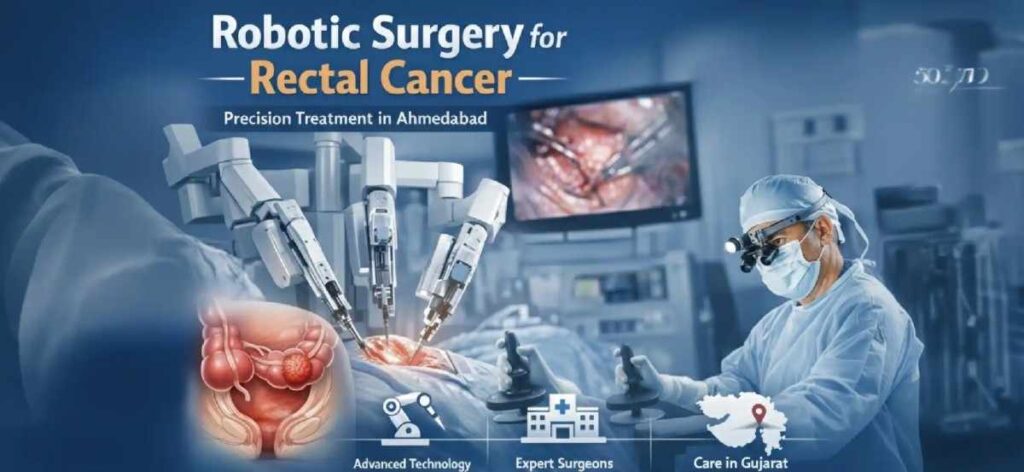
Robotic rectal cancer surgery is a form of minimally invasive rectal surgery that utilizes a sophisticated surgical system controlled by a trained oncological surgeon. Unlike traditional open surgery, this approach uses small incisions through which miniature surgical instruments and a high-definition 3D camera are inserted.
The surgeon operates from a console, controlling robotic arms with exceptional precision. The system translates the surgeon’s hand movements into smaller, more precise movements of the instruments inside the patient’s body, filtering out any hand tremors and allowing for delicate maneuvers in tight spaces.
Key features of robotic surgical systems include:
- Magnified 3D high-definition vision providing superior visualization of tissue planes and anatomical structures
- Enhanced range of motion with instruments that can rotate and bend beyond human wrist capabilities
- Tremor filtration ensuring steady, precise movements
- Ergonomic design allowing surgeons to operate with reduced fatigue during complex procedures
Benefits of Robotic Surgery for Rectal Cancer
Advanced rectal cancer treatment through robotic technology offers numerous advantages over traditional surgical approaches:
Improved Surgical Precision
The narrow confines of the pelvis make rectal cancer surgery technically demanding. Robotic systems provide magnified visualization and articulating instruments that allow surgeons to perform nerve-sparing rectal surgery with greater accuracy, helping preserve crucial functions.
Better Sphincter Preservation
One of the most significant concerns for rectal cancer patients is the potential need for a permanent colostomy bag. Sphincter-preserving surgery aims to remove the cancer while maintaining the anal sphincter muscles that control bowel movements. Robotic technology’s precision increases the likelihood of successful sphincter preservation, dramatically improving patients’ quality of life.
Reduced Surgical Complications
Minimally invasive rectal surgery through robotic techniques typically results in:
- Less blood loss during surgery
- Lower infection rates
- Reduced postoperative pain
- Shorter hospital stays (often 3-5 days versus 7-10 days for open surgery)
- Faster return to normal activities
Enhanced Functional Outcomes
Nerve-sparing techniques enabled by robotic precision help preserve:
- Sexual function in both men and women
- Urinary control
- Bowel function and continence
Superior Oncological Results
Research demonstrates that robotic rectal cancer surgery achieves oncological outcomes comparable to or better than traditional approaches, with complete tumor removal and adequate lymph node harvest being critical factors in cancer cure rates.
Who is a Candidate for Robotic Rectal Cancer Surgery?
Not every rectal cancer patient requires or is suitable for robotic surgery. Candidacy depends on several factors:
- Tumor location, size, and stage – Earlier-stage tumors and those in the mid to upper rectum often respond well to robotic approaches
- Patient’s overall health – Good general health and ability to tolerate anesthesia are essential
- Prior treatments – Some patients may receive neoadjuvant chemotherapy or radiation before surgery
- Anatomical considerations – Individual anatomy and previous surgeries may influence approach
A comprehensive evaluation by an experienced surgical oncologist specializing in robotic oncology Ahmedabad is essential to determine the most appropriate treatment plan for each individual patient.
What to Expect During Robotic Rectal Cancer Surgery
Before Surgery
Patients typically undergo:
- Comprehensive imaging studies (MRI, CT scans, PET scans)
- Colonoscopy with biopsy
- Blood tests and cardiac evaluation
- Consultation with the surgical team
- Pre-operative bowel preparation
Many patients receive neoadjuvant therapy (chemotherapy and/or radiation) before surgery to shrink the tumor and improve surgical outcomes.
During the Procedure
Robotic rectal cancer surgery is performed under general anesthesia and typically takes 3-5 hours, depending on complexity. The surgeon makes several small incisions (usually 5-8mm each) to insert the robotic instruments and camera. Using the robotic console, the surgeon carefully removes the affected portion of the rectum along with surrounding lymph nodes, while preserving important nerves and blood vessels whenever oncologically safe.
Recovery Process
Most patients can expect:
- 3-5 days hospital stay
- Gradual return to normal diet
- Walking encouraged within 24 hours
- Return to light activities within 2-3 weeks
- Full recovery within 4-6 weeks
Follow-up care includes regular surveillance with imaging and colonoscopy to monitor for recurrence.
Zanish Cancer Hospital: Bringing Advanced Robotic Surgery to Ahmedabad
Zanish Cancer Hospital has established itself as a leading center for robotic oncology Ahmedabad, offering patients access to the latest advancements in cancer surgery without needing to travel outside Gujarat. The hospital’s commitment to providing world-class cancer care includes investment in state-of-the-art robotic surgical technology and a team of highly trained surgical oncologists.
Expertise and Technology
The surgical oncology team at Zanish Cancer Hospital consists of surgeons specifically trained in robotic techniques for colorectal cancer. This specialized training, combined with advanced imaging and surgical planning tools, ensures that each patient receives individualized, precise treatment.
Comprehensive Cancer Care
Beyond surgery, Zanish Cancer Hospital offers integrated cancer care including:
- Medical oncology for chemotherapy management
- Radiation oncology services
- Multidisciplinary tumor boards where specialists collaborate on treatment plans
- Nutritional support and counseling
- Palliative care services
- Survivorship programs
Patient-Centered Approach
Understanding that a cancer diagnosis affects the entire family, Zanish Cancer Hospital emphasizes compassionate, transparent communication. From the initial consultation through treatment and recovery, patients and their families receive clear explanations, emotional support, and guidance at every step.
Accessibility for Ahmedabad and Surrounding Regions
Located in Ahmedabad, Zanish Cancer Hospital serves patients throughout Gujarat and neighboring states, providing advanced rectal cancer treatment close to home. This accessibility reduces the burden on patients and families, allowing them to receive cutting-edge care while maintaining proximity to their support networks.
Making Informed Treatment Decisions
Choosing the right treatment approach for rectal cancer is a significant decision that should be made in consultation with experienced specialists. While robotic surgery offers many advantages, the best treatment plan depends on individual circumstances, including cancer stage, location, overall health, and personal preferences.
It’s essential to ask questions, understand all available options, and feel confident in your treatment team. Second opinions are always appropriate and can provide additional perspective when making important medical decisions.
Conclusion
Robotic rectal cancer surgery represents a significant advancement in cancer treatment, offering patients in Ahmedabad and throughout Gujarat access to minimally invasive, precision oncological surgery. With benefits including faster recovery, reduced complications, better functional preservation, and excellent cancer outcomes, this technology is changing the landscape of rectal cancer treatment.
Zanish Cancer Hospital’s commitment to providing advanced robotic surgery, combined with comprehensive cancer care and a patient-centered approach, ensures that individuals facing rectal cancer can receive world-class treatment close to home. If you or a loved one has been diagnosed with rectal cancer, schedule a consultation with the surgical oncology team to discuss whether robotic surgery might be appropriate for your specific situation.
Early consultation and proper treatment planning are crucial for optimal outcomes. Contact Zanish Cancer Hospital today to learn more about robotic rectal cancer surgery and explore your treatment options with experienced specialists who prioritize your health, dignity, and quality of life.
Disclaimer: This article is for informational purposes only and does not constitute medical advice. Always consult with qualified healthcare professionals regarding your specific medical condition and treatment options.
Make Appointment
Address
1st Floor, Viva Atelier, Opp. B.D. Patel House, Near Sardar Patel Statue, Behind Sardar Patel Colony, Naranpura, Ahmedabad-380014. (Gujarat) India
Contact Us
+91 7433852300