
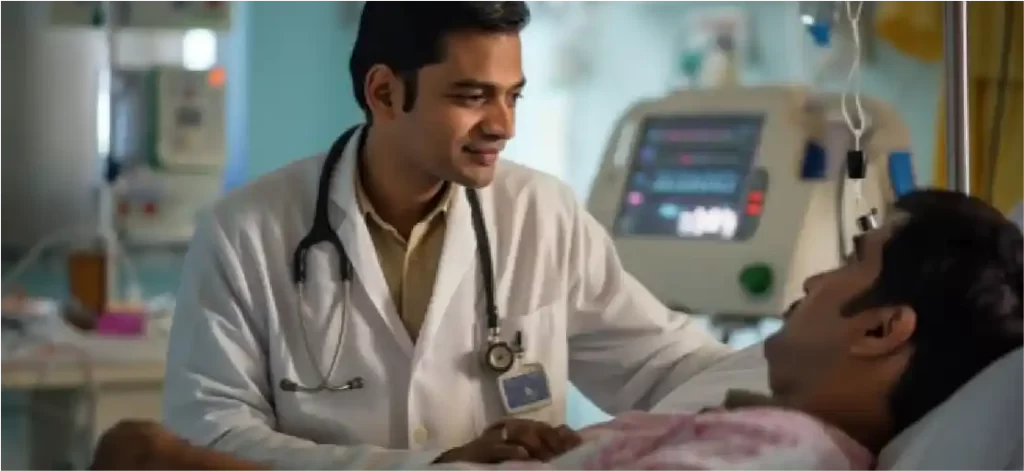
Published by Dr. Nishant Sanghavi | Zanish Cancer Hospital, Ahmedabad
A cancer diagnosis can feel overwhelming. In those first moments after hearing the news, patients and their families often experience a flood of emotions—fear, confusion, uncertainty about what comes next. If you’re reading this, you may be searching for answers, trying to understand what cancer treatment involves, and looking for guidance on where to begin.
At Zanish Cancer Hospital in Ahmedabad, we’ve walked alongside thousands of patients through their cancer journey. Over the years, we’ve learned that knowledge is empowering. When patients understand their diagnosis, treatment options, and what to expect, they feel more confident and better prepared to face the challenges ahead.
This comprehensive guide aims to answer the questions we hear most often in our consultation rooms, helping you make informed decisions about cancer care.
When Should You Consult a Cancer Specialist?
Early detection significantly improves cancer treatment outcomes. Many patients delay seeking medical advice because they don’t recognize warning signs or hope symptoms will resolve on their own.
Consider consulting an oncologist if you experience:
Persistent symptoms that last more than two weeks, such as unexplained weight loss (losing more than 5 kg without trying), lumps or masses anywhere in your body that grow or don’t go away, changes in bowel or bladder habits including blood in stool or urine, unusual bleeding or discharge, chronic fatigue that doesn’t improve with rest, persistent cough or hoarseness, difficulty swallowing, or changes in the appearance of moles or skin lesions.
These symptoms don’t automatically mean cancer, but they warrant professional evaluation. As a surgical oncologist in Ahmedabad with over 13 years of experience, I’ve seen how early diagnosis opens doors to more treatment options and better outcomes.
Important reminder: Don’t let fear prevent you from seeking medical attention. Most concerning symptoms have non-cancerous explanations, but only proper testing can provide clarity and peace of mind.
Types of Cancer Treatment: Understanding Your Options
Cancer treatment has evolved dramatically over the past decade. At Zanish Cancer Hospital, we offer comprehensive cancer treatment in Ahmedabad that combines multiple approaches tailored to each patient’s specific situation.
Surgical Oncology – Removing Cancer at Its Source
Surgery remains one of the most effective treatments for solid tumors. The goal is to remove the cancerous tissue along with a margin of healthy tissue to ensure complete removal.
What makes modern cancer surgery different?
At our cancer hospital in Ahmedabad, we specialize in minimally invasive surgical techniques. Instead of large incisions required in traditional open surgery, we use advanced laparoscopic methods that involve small incisions, specialized instruments, and high-definition cameras.
Benefits of minimally invasive cancer surgery include:
- Significantly less post-operative pain
- Smaller scars and better cosmetic results
- Reduced blood loss during surgery
- Shorter hospital stays (often 2-3 days instead of 7-10 days)
- Faster return to normal activities
- Lower risk of infection and complications
Over my career, I’ve performed more than 5,000 cancer surgeries using these advanced techniques. The difference in patient recovery is remarkable. Patients who might have spent two weeks in the hospital with traditional surgery often go home in a few days and return to their routines within weeks.
Types of cancers we treat surgically at Zanish Cancer Hospital:
Gastrointestinal Cancers: Including colorectal cancer, stomach cancer, liver cancer, pancreatic cancer, and esophageal cancer. The digestive system is complex, and these surgeries require specialized expertise in abdominal oncology.
Gynecological Cancers: Ovarian, cervical, and uterine cancers require delicate surgical approaches that preserve as much function as possible while ensuring complete cancer removal.
Breast Cancer: From lumpectomy to mastectomy, we offer surgical options that balance effective cancer treatment with aesthetic considerations. Reconstructive surgery is available for patients who choose it.
Thoracic Cancers: Lung and esophageal cancers fall into this category. These surgeries require expertise in chest oncology and often involve collaboration with pulmonologists.
Head and Neck Cancers: These include cancers of the throat, tongue, thyroid, and salivary glands. Surgical precision is critical to maintain essential functions like breathing, speaking, and swallowing.
Urological Cancers: Kidney, bladder, and prostate cancers require specialized urological oncology expertise to preserve kidney function and urinary control.
Soft Tissue Sarcomas: These rare cancers develop in muscles, fat, or connective tissue and require experienced surgical management.
Medical Oncology – Chemotherapy and Targeted Therapy
Chemotherapy uses powerful medications to kill cancer cells or stop them from growing. While surgery removes visible tumors, chemotherapy addresses cancer cells that may have spread beyond the primary site.
Modern chemotherapy is more targeted and better tolerated than you might imagine. The stereotypical image of severe side effects doesn’t reflect today’s reality. We use evidence-based protocols, supportive medications to manage side effects, and continuous monitoring to ensure treatment effectiveness.
When is chemotherapy recommended?
- Before surgery to shrink tumors (neoadjuvant chemotherapy)
- After surgery to eliminate remaining cancer cells (adjuvant chemotherapy)
- As primary treatment for blood cancers or when surgery isn’t possible
- For advanced cancer to control disease progression and improve quality of life
At Zanish Cancer Hospital, our chemotherapy day care center provides a comfortable environment where patients receive treatment and go home the same day in many cases.
Radiation Oncology – Precision Cancer Treatment
Radiation therapy uses high-energy beams to destroy cancer cells. Modern radiation is incredibly precise, targeting tumors while minimizing exposure to surrounding healthy tissue.
Radiation may be used:
- After surgery to eliminate remaining cancer cells
- Before surgery to shrink tumors
- Combined with chemotherapy for enhanced effectiveness
- As primary treatment when surgery isn’t recommended
- For pain relief in advanced cancer (palliative radiation)
Cancer Reconstructive Surgery – Restoring Quality of Life
For patients who undergo extensive cancer surgery, reconstruction helps restore both function and appearance. This is particularly important for breast cancer patients, head and neck cancer patients, and those who’ve had significant tissue removal.
Reconstructive surgery can be performed during the same operation as cancer removal or as a separate procedure later. The goal is to help patients regain confidence and return to their normal lives with minimal visible reminders of their cancer journey.
The Multidisciplinary Approach to Cancer Care
One of the most significant advances in oncology is the multidisciplinary approach. No single doctor can possess all the expertise needed for optimal cancer care.
At Zanish Cancer Hospital, your treatment plan is developed through collaboration among:
- Surgical oncologists who evaluate whether surgery is appropriate
- Medical oncologists who design chemotherapy protocols
- Radiation oncologists who determine radiation needs
- Radiologists who interpret scans and imaging
- Pathologists who analyze tissue samples
- Nursing staff who provide day-to-day care and support
- Nutritionists who help maintain strength during treatment
- Counselors who address emotional and psychological needs
This team approach ensures that every aspect of your cancer is addressed. We meet regularly to discuss complex cases, share insights, and refine treatment plans based on your progress.
This is especially valuable because:
- Different cancer types require different expertise
- Treatment effectiveness can be enhanced by combining approaches
- Side effects can be managed more effectively with team input
- Your overall well-being is monitored from multiple perspectives
What to Expect During Your First Visit to a Cancer Hospital
Many patients feel anxious about their first oncology consultation. Understanding what happens during this visit can help ease those concerns.
Here’s what typically occurs:
Medical History Review: Your doctor will ask detailed questions about your symptoms, how long you’ve had them, your general health, family history of cancer, and any previous medical conditions or surgeries.
Physical Examination: A thorough physical exam helps identify any visible signs and assess your overall health status.
Diagnostic Testing Discussion: If you already have test results (scans, biopsies, blood work), your doctor will review them. If additional tests are needed, they’ll explain what’s required and why.
Initial Assessment: Based on available information, your doctor will discuss possible diagnosis, additional testing needed, and preliminary treatment considerations.
Question and Answer: This is your opportunity to ask anything on your mind. No question is too small or insignificant.
Next Steps: Before you leave, you’ll have a clear understanding of what comes next—whether that’s scheduling tests, waiting for results, or planning treatment.
What to bring to your first appointment:
- All previous medical records and test results
- List of current medications and supplements
- Insurance cards or Ayushman Bharat card
- A family member or friend for support and to help remember information
- Written list of questions you want to ask
Understanding Cancer Stages and What They Mean
When patients receive their diagnosis, they often hear terms like “Stage 2” or “Stage 3” cancer. Understanding staging helps you comprehend the extent of disease and why certain treatments are recommended.
Cancer staging typically ranges from 0 to 4:
Stage 0: Also called carcinoma in situ. Cancer cells are present but haven’t invaded nearby tissue. This is the earliest stage with the best prognosis.
Stage 1: Cancer is small and hasn’t spread to lymph nodes or other parts of the body. Surgery alone is often curative.
Stage 2 and 3: Cancer is larger and may have spread to nearby lymph nodes. These stages typically require combined treatment—surgery plus chemotherapy or radiation.
Stage 4: Cancer has spread to distant organs (metastatic cancer). Treatment focuses on controlling the disease, managing symptoms, and maintaining quality of life.
Important to remember: Stage isn’t the only factor determining prognosis. Cancer type, grade (how abnormal cells look under a microscope), your overall health, and how well cancer responds to treatment all play crucial roles.
I’ve treated patients with Stage 3 disease who achieved complete remission and have been cancer-free for years. Every cancer journey is unique, and staging is just one piece of the puzzle.
The Financial Aspect: Understanding Cancer Treatment Costs in Ahmedabad
Cancer treatment involves financial considerations that add stress during an already difficult time. At Zanish Cancer Hospital, we believe in transparency about costs and helping patients navigate their options.
Factors that influence cancer treatment costs:
Type and stage of cancer: Early-stage cancers requiring only surgery typically cost less than advanced cancers needing multiple treatment modalities.
Treatment approach: Surgery, chemotherapy, radiation, or combinations affect overall cost.
Duration of treatment: Some cancers require a few months of treatment, while others need longer protocols.
Hospitalization needs: Length of hospital stay, ICU requirements, and follow-up care contribute to costs.
Medications: Chemotherapy drugs, supportive medications, and targeted therapies vary significantly in price.
Important: Treatment costs vary considerably from patient to patient. During your consultation, we provide detailed estimates based on your specific situation so you can plan accordingly.
Ayushman Bharat: Making Quality Cancer Care Accessible
One question we frequently hear is: “Can I afford cancer treatment?”
For eligible patients, the answer has become more hopeful thanks to the Ayushman Bharat Pradhan Mantri Jan Arogya Yojana (PM-JAY) scheme.
Zanish Cancer Hospital is empanelled under Ayushman Bharat, which means eligible cardholders can receive cashless cancer treatment at our facility.
Who is eligible for Ayushman Bharat? The scheme covers approximately 50 crore beneficiaries from economically vulnerable families. If you have an Ayushman card, you may be eligible for coverage up to ₹5 lakhs per family per year for secondary and tertiary care hospitalization.
What does Ayushman Bharat cover for cancer patients?
- Cancer diagnosis and staging
- Surgical procedures
- Chemotherapy
- Radiation therapy
- Hospitalization costs
- Follow-up care as per protocol
How to use Ayushman Bharat at Zanish Cancer Hospital:
Simply bring your Ayushman card when you visit for consultation. Our administrative team will verify your eligibility and help with the documentation process. If you’re eligible, your treatment can proceed on a cashless basis, significantly reducing financial burden.
For patients without Ayushman coverage:
We work with major insurance providers and can help you understand your policy benefits. Our team assists with insurance claims and paperwork to make the process as smooth as possible.
For patients paying out-of-pocket, we offer clear, upfront cost estimates and can discuss treatment planning that considers financial constraints without compromising care quality.
Financial considerations should never prevent someone from seeking cancer treatment. If you’re concerned about costs, please discuss this openly during your consultation. We’ll work with you to find solutions.
Life During Cancer Treatment: What Patients Want to Know
Beyond medical procedures, patients want to understand how treatment will affect their daily lives.
Can I continue working during treatment?
This depends on your treatment type and side effects. Many patients undergoing surgery take 2-4 weeks off work for recovery. Chemotherapy schedules often allow patients to work between treatment cycles, though fatigue may require reduced hours or remote work arrangements.
What about diet during cancer treatment?
Nutrition plays a crucial role in maintaining strength and supporting recovery. General guidelines include eating protein-rich foods to help tissue repair, staying well-hydrated, consuming small frequent meals if appetite is poor, and avoiding raw or undercooked foods if your immune system is compromised.
Specific dietary recommendations depend on your cancer type and treatment. Our team can connect you with nutritionists who specialize in oncology care.
How do I manage side effects?
Modern cancer treatment has significantly fewer side effects than in the past, and we have effective medications to manage most issues. Common side effects like nausea, fatigue, hair loss (temporary), changes in appetite, and mouth sores can be addressed with supportive care measures.
Important: Always report side effects to your medical team rather than suffering in silence. Many side effects can be prevented or minimized with proper management.
Can family members stay during hospitalization?
Yes. We recognize that family support is crucial during cancer treatment. Our facility accommodates family members who wish to stay with patients during hospitalization. We also keep families informed about treatment progress, test results, and what to expect next.
Why Early Detection Matters: Real Impact on Treatment Success
As an oncologist, one of the most difficult conversations I have is with patients who delayed seeking care. By the time some patients come to us, cancer has progressed to advanced stages where treatment options are limited.
Early-stage cancer treatment often involves:
- Single treatment modality (surgery alone in many cases)
- Shorter treatment duration
- Better preservation of organ function
- Higher cure rates
- Lower treatment costs
- Better quality of life during and after treatment
Advanced-stage cancer typically requires:
- Multiple treatment modalities
- Longer treatment duration
- More intensive interventions
- Focus on disease control rather than cure
- Higher treatment complexity and costs
This isn’t meant to frighten you but to emphasize the importance of paying attention to your body and seeking medical advice when something doesn’t feel right.
Regular screening is crucial for certain cancers:
- Mammography for breast cancer (women over 40)
- Pap smears for cervical cancer (women over 21)
- Colonoscopy for colorectal cancer (people over 45)
- PSA testing for prostate cancer (men over 50)
If you have a family history of cancer, screening may be recommended at younger ages.
Choosing the Right Cancer Hospital in Ahmedabad
When facing cancer, choosing where to receive treatment is one of your most important decisions. Here’s what to consider:
Expertise and Experience
Look for oncologists with specialized training and significant experience in treating your specific cancer type. Ask about their qualifications, training, and how many similar cases they’ve handled.
At Zanish Cancer Hospital, our surgical oncology expertise comes from years of specialized training, including an MCh in Surgical Oncology from Gujarat Cancer and Research Institute and fellowship training in Advanced Laparoscopic Oncosurgery.
Comprehensive Services
Cancer treatment often requires multiple approaches. Having surgery, chemotherapy, and radiation available at one facility ensures continuity of care and better coordination among specialists.
Advanced Technology
Minimally invasive surgery, modern chemotherapy protocols, and precision radiation require up-to-date equipment and infrastructure. Inquire about the facility’s technological capabilities.
Personalized Approach
Every cancer is different, and every patient is unique. The best cancer hospitals develop individualized treatment plans rather than applying one-size-fits-all protocols.
Clear Communication
Your medical team should explain your diagnosis, treatment options, expected outcomes, and potential risks in language you understand. You should never feel rushed or that your questions are unwelcome.
Accessibility and Support
Consider practical factors like location, availability of financial counseling, insurance coordination support, and whether the hospital accepts Ayushman Bharat if you’re a cardholder.
Common Myths About Cancer Treatment – Setting the Record Straight
Misinformation about cancer causes unnecessary fear and sometimes prevents patients from seeking proper treatment. Let’s address common myths:
Myth 1: “Cancer treatment is worse than the disease.” Reality: Modern cancer treatment is more targeted and better tolerated than ever before. Many patients continue their normal activities during treatment with manageable side effects.
Myth 2: “Surgery causes cancer to spread.” Reality: This is completely false. Surgery removes cancer and is one of the most effective treatments. Proper surgical technique prevents spreading.
Myth 3: “Natural remedies can cure cancer without conventional treatment.” Reality: While supportive therapies can complement conventional treatment, there’s no scientific evidence that alternative treatments alone can cure cancer. Delaying proven treatments can allow cancer to progress.
Myth 4: “If cancer runs in my family, I’ll definitely get it.” Reality: Family history increases risk but doesn’t guarantee you’ll develop cancer. Many people with family history never get cancer, while others develop cancer without any family history.
Myth 5: “Cancer is always painful.” Reality: Many early-stage cancers cause no pain at all, which is why screening and paying attention to subtle symptoms is so important.
Myth 6: “There’s nothing you can do to prevent cancer.” Reality: While not all cancers are preventable, healthy lifestyle choices significantly reduce risk. This includes not smoking, maintaining healthy weight, eating nutritious food, exercising regularly, limiting alcohol, and getting recommended screenings.
The Emotional Journey: Addressing the Psychological Impact
Cancer affects more than just the body. The emotional and psychological impact is profound for patients and families.
Common emotional responses include:
- Shock and disbelief at diagnosis
- Fear about the future and treatment
- Anxiety about outcomes and recurrence
- Anger or asking “Why me?”
- Sadness or depression
- Feeling overwhelmed by decisions
These emotions are normal and valid. Cancer is a life-changing diagnosis, and it’s natural to experience a range of feelings.
Strategies that help:
Stay informed but don’t overwhelm yourself: Learn about your specific cancer and treatment, but avoid falling down internet rabbit holes of worst-case scenarios.
Maintain open communication: Talk with your medical team, family, and friends about your feelings and concerns.
Take it one step at a time: Focus on the next appointment, the next treatment, rather than trying to process the entire journey at once.
Accept help: Friends and family often want to help but don’t know how. Let them bring meals, drive you to appointments, or simply sit with you.
Consider counseling: Speaking with a counselor or therapist who understands cancer patients’ unique challenges can be incredibly valuable.
Connect with others: Support groups allow you to share experiences with people who truly understand what you’re going through.
Maintain normalcy where possible: Continue activities you enjoy when you’re able. Normal routines provide comfort and distraction.
At Zanish Cancer Hospital, we recognize that treating cancer means caring for the whole person, not just the disease. Don’t hesitate to discuss emotional concerns during your visits.
Questions to Ask Your Oncologist
Being prepared for your consultation helps you get the most out of your appointment. Consider asking:
About your diagnosis:
- What type of cancer do I have?
- What stage is it, and what does that mean?
- How fast is this cancer likely to grow?
- Has it spread beyond the primary site?
About treatment options:
- What are all my treatment options?
- Which treatment do you recommend and why?
- What are the goals—cure or control?
- What are the benefits and risks of each option?
- How will treatment affect my daily life?
About your medical team:
- Who will be involved in my care?
- How will you coordinate with other specialists?
- Who do I contact if I have questions or concerns?
About practical matters:
- How long will treatment take?
- How often will I need appointments?
- What will treatment cost?
- Does my insurance/Ayushman card cover this?
About outcomes:
- What results can I realistically expect?
- How will we know if treatment is working?
- What happens after initial treatment ends?
- What’s the follow-up plan?
Don’t hesitate to ask for clarification if something isn’t clear. It’s your health, and you have every right to understand what’s happening and why.
Hope and Perspective: Moving Forward with Confidence
If you’re reading this because you or someone you love is facing cancer, I want you to know this: you are not alone, and there is hope.
In my 13 years as a surgical oncologist at our cancer hospital in Ahmedabad, I’ve witnessed countless patients overcome cancer and return to full, meaningful lives. I’ve seen grandparents meet grandchildren they feared they’d never hold. I’ve watched young professionals return to their careers. I’ve celebrated with families who thought they’d run out of time together.
Cancer treatment has advanced dramatically. Techniques that didn’t exist a decade ago are now standard. Survival rates continue to improve. Side effects are better managed. Quality of life during and after treatment is prioritized.
Your cancer journey is unique to you, and your treatment plan will be tailored to your specific situation. What works for one patient may not be right for another, and that’s why personalized medicine is so important.
At Zanish Cancer Hospital, our commitment is simple: We combine cutting-edge medical expertise with genuine compassion. We see you as a person, not a case number. We understand that behind every diagnosis is a life, a family, hopes, and dreams.
Whether you’re at the beginning of your cancer journey or somewhere in the middle, whether you’re a patient or a caregiver, whether you’re seeking a first opinion or exploring your options—we’re here to help.
Take the Next Step: Schedule Your Consultation
If you’re experiencing symptoms that concern you, or if you’ve received a cancer diagnosis and are exploring treatment options in Ahmedabad, I encourage you to take the next step.
Reaching out for help is a sign of strength, not weakness. Early consultation with an experienced oncologist can make a significant difference in your treatment journey and outcomes.
📍 Visit Zanish Cancer Hospital: 1st Floor, Viva Atelier
Opposite BD Patel House, Near Sardar Patel Statue
Naranpura, Ahmedabad – 380014, Gujarat
What to expect when you contact us:
Our team will schedule your consultation at a time that works for you. During your first visit, we’ll review your medical history, conduct necessary examinations, discuss any tests you’ve already had, and answer all your questions. Most importantly, we’ll create a personalized plan moving forward.
For Ayushman Bharat Cardholders:
If you’re covered under the Ayushman Bharat scheme, please let us know when scheduling your appointment. Bring your Ayushman card to your consultation, and our team will help verify your eligibility and explain how cashless treatment works for your situation.
You don’t have to face cancer alone. Our experienced team is here to guide you through every step of your treatment journey with expertise, advanced technology, and compassionate care.
Your health is worth the call. Reach out today, and let’s start your journey toward recovery together.
About the Author:
Dr. Nishant Sanghavi is a surgical oncologist and founder of Zanish Cancer Hospital in Ahmedabad. With an MCh in Surgical Oncology from Gujarat Cancer and Research Institute and over 13 years of experience, he has performed more than 5,000 cancer surgeries with specialization in minimally invasive techniques. Dr. Sanghavi is committed to making advanced cancer care accessible and providing personalized treatment that prioritizes both medical excellence and patient well-being.
Make Appointment
Address
1st Floor, Viva Atelier, Opp. B.D. Patel House, Near Sardar Patel Statue, Behind Sardar Patel Colony, Naranpura, Ahmedabad-380014. (Gujarat) India
Contact Us
+91 7433852300