
A diagnosis of gynecologic cancer can bring many questions for patients and their families. Along with understanding the diagnosis, patients may want to know which surgical options are available and whether a minimally invasive approach could be suitable.
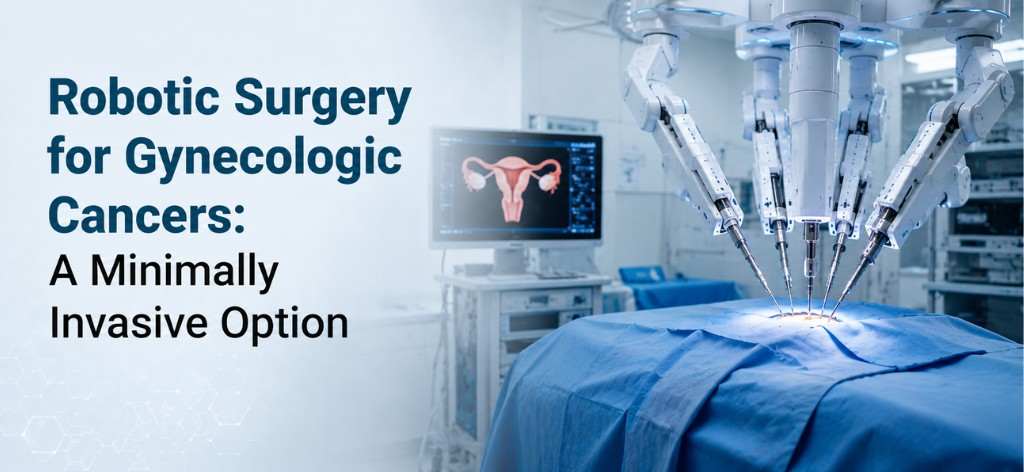
Robotic surgery for gynecologic cancer is one approach that may be considered for selected patients. It allows a surgeon to perform certain complex procedures through small incisions using a specialised robotic surgical system.
However, robotic surgery is not appropriate for every gynecologic cancer or every patient. The choice depends on the type and stage of cancer, tumour location, overall health, previous treatments and the complexity of the planned procedure.
Understanding how robotic surgery works, where it may be used, its potential benefits and limitations can help patients have a more informed discussion with their gynecologic oncology team.
What Is Robotic Surgery for Gynecologic Cancer?
Robotic surgery is a minimally invasive surgical technique in which the surgeon controls specialised instruments from a console.
The robotic system does not independently perform the operation. The surgeon controls the instruments throughout the procedure.
The system may provide the surgeon with enhanced visualisation, precise instrument control and flexibility during selected procedures.
In gynecologic oncology, robotic surgery may be considered for certain cancers and surgical procedures involving the reproductive organs and surrounding tissues.
Depending on the individual case, robotic-assisted procedures may be considered for conditions involving:
- Uterus
- Cervix
- Ovaries
- Endometrium
- Selected pelvic structures
The suitability of robotic surgery must be determined by the treating specialist after reviewing the patient’s diagnosis and investigations.
Which Gynecologic Cancers May Be Treated With Robotic Surgery?
Robotic surgery may be considered for selected patients with certain gynecologic cancers.
Uterine and Endometrial Cancer
Robotic surgery may be used for selected patients requiring surgery for uterine or endometrial cancer.
Depending on the cancer and treatment plan, surgery may involve removal of the uterus and other relevant tissues or lymph nodes.
The exact procedure depends on the extent and characteristics of the disease.
Cervical Cancer
Surgery may be part of treatment for selected patients with cervical cancer.
Whether a robotic approach is appropriate depends on factors such as the stage of the disease, tumour characteristics and the planned surgical procedure.
Ovarian Cancer
Patients often ask, “Is robotic surgery used for ovarian cancer?”
The answer depends heavily on the individual situation.
Ovarian cancer can vary considerably in its extent and presentation. Some patients may require extensive surgery, and minimally invasive robotic surgery may not be appropriate when the disease requires a different surgical approach.
The treating gynecologic oncologist will determine whether robotic surgery is suitable based on the patient’s cancer and treatment objectives.
How Does Robotic Gynecologic Cancer Surgery Work?
Robotic surgery is performed under general anaesthesia.
The surgical team makes small incisions through which specialised instruments and a camera are introduced.
The surgeon sits at a console and controls the instruments.
The robotic system translates the surgeon’s hand movements into precise movements of the surgical instruments.
A high-definition view of the surgical field helps the surgeon identify and work around important anatomical structures.
The exact procedure depends on the type of cancer and the operation being performed.
Throughout the procedure, the surgical team monitors the patient and manages anaesthesia, vital signs and other aspects of care.
What Are the Potential Benefits of Robotic Surgery?
For appropriately selected patients, robotic surgery may offer benefits associated with minimally invasive surgery.
These may include:
Smaller Incisions
Robotic procedures generally use small surgical incisions rather than a large open incision.
Less Surgical Trauma
A minimally invasive approach may reduce the amount of disruption to surrounding tissues compared with some open procedures.
Enhanced Visualisation
The surgeon operates using a magnified view of the surgical area, which can be helpful during technically demanding procedures.
Precise Instrument Movement
Robotic instruments are designed to provide controlled movement within the surgical field.
Potential Recovery Benefits
For selected procedures, minimally invasive surgery may be associated with a smoother recovery compared with open surgery.
However, recovery varies considerably between patients.
A patient’s overall health, type of operation, extent of surgery and presence of complications can all influence recovery.
Is Robotic Surgery Better Than Open Surgery?
There is no single surgical approach that is best for every gynecologic cancer patient.
Robotic surgery, laparoscopic surgery and open surgery each have different indications and considerations.
The decision may depend on:
- Type of cancer
- Stage of cancer
- Tumour size and location
- Involvement of surrounding tissues
- Previous abdominal or pelvic surgery
- Overall health
- Surgical complexity
- Experience of the surgical team
A minimally invasive approach should only be used when it is considered appropriate for the patient’s specific cancer.
The goal is not simply to use robotic technology. The goal is to provide the most appropriate cancer surgery for the individual patient.
Robotic Hysterectomy for Cancer
A hysterectomy involves surgical removal of the uterus.
In selected patients with gynecologic cancer, a robotic hysterectomy may be considered as part of the treatment plan.
Depending on the cancer, the procedure may involve additional surgical steps, such as evaluation or removal of lymph nodes or other tissues.
The extent of surgery depends on the diagnosis and treatment requirements.
Patients should ask their gynecologic oncologist:
- Why is hysterectomy recommended?
- Why is a robotic approach being considered?
- What tissues need to be removed?
- What alternatives are available?
- What should I expect during recovery?
- Will additional cancer treatment be required?
These questions can help patients understand the purpose of the operation rather than focusing only on the surgical technique.
Robotic Surgery for Ovarian Cancer: What Patients Should Know
Ovarian cancer requires careful evaluation because the disease can present differently from other gynecologic cancers.
Treatment may involve surgery, systemic therapy or a combination of treatments depending on the patient’s diagnosis and disease extent.
Robotic surgery may be an option for selected patients, particularly when the planned operation can be safely and effectively performed using a minimally invasive approach.
However, extensive ovarian cancer may require a different surgical strategy.
The decision should therefore be made by a gynecologic oncology team after reviewing imaging, pathology and the overall treatment plan.
Robotic Surgery for Uterine Cancer Recovery
Recovery after robotic surgery varies from patient to patient.
Because robotic surgery is minimally invasive, some patients may experience advantages associated with smaller incisions. However, recovery should not be judged solely by the surgical technique.
The recovery process can depend on:
- The type of surgery
- Extent of cancer treatment
- Overall health
- Age and physical condition
- Other medical conditions
- Post-operative complications
- Additional treatments
During recovery, patients may be advised to gradually return to normal activities according to their surgeon’s instructions.
Follow-up appointments are important because the oncology team needs to monitor healing and review pathology results.
If additional cancer treatment is recommended, the recovery plan may also take that treatment into account.
What Happens After Robotic Gynecologic Cancer Surgery?
Surgery is often only one part of the cancer treatment journey.
After the operation, the removed tissue may be examined by a pathologist.
The pathology report can provide important information about the cancer and help the oncology team determine whether additional treatment is needed.
Depending on the diagnosis, further treatment may include:
- Chemotherapy
- Radiation therapy
- Hormonal therapy
- Targeted therapy
- Other systemic cancer treatments
Not every patient requires additional treatment.
The next step depends on the final diagnosis, pathology findings and recommendations of the treating oncology team.
What Are the Risks and Limitations of Robotic Surgery?
Robotic surgery is still major surgery and carries potential risks.
Possible complications can include:
- Bleeding
- Infection
- Injury to nearby organs
- Blood clots
- Anaesthesia-related complications
- Urinary or bowel complications
- Need to convert to an open procedure
- Post-operative pain or discomfort
The specific risks depend on the procedure and the patient’s medical condition.
Robotic surgery also has limitations. Not every cancer can or should be treated using a robotic approach.
Patients should discuss both the benefits and risks with their surgeon before making a treatment decision.
Who May Be a Candidate for Robotic Gynecologic Cancer Surgery?
A patient may be considered for robotic surgery when the surgical team believes that a minimally invasive approach is appropriate and oncologically safe.
The assessment may consider:
- Cancer type
- Cancer stage
- Tumour location
- Disease extent
- Previous surgeries
- Overall health
- Body anatomy
- Planned surgical procedure
- Expected benefits and risks
A consultation with a gynecologic oncologist is essential.
The presence of robotic technology at a hospital does not automatically mean that every patient is a candidate for robotic surgery.
Common Misconceptions About Robotic Cancer Surgery
Myth: The robot performs the surgery independently
Fact: The surgeon controls the robotic system throughout the operation.
Myth: Robotic surgery is suitable for every cancer patient
Fact: Robotic surgery is appropriate only for selected patients and procedures.
Myth: Robotic surgery means there are no surgical risks
Fact: Robotic surgery is still a surgical procedure and carries potential complications.
Myth: Minimally invasive surgery always means faster recovery
Fact: Recovery depends on the type and extent of surgery, the patient’s health and other factors.
Myth: Robotic surgery eliminates the need for other cancer treatments
Fact: Some patients may require chemotherapy, radiation therapy or other treatments after surgery depending on their diagnosis and pathology.
Why Choose a Gynecologic Oncology Team?
Gynecologic cancers require specialised knowledge because the treatment may involve complex surgical and medical decisions.
A gynecologic oncology team can help coordinate:
- Cancer diagnosis
- Surgical planning
- Minimally invasive treatment options
- Pathology
- Medical oncology
- Radiation oncology
- Follow-up care
A multidisciplinary approach can help ensure that the treatment plan considers the patient’s cancer from multiple clinical perspectives.
Expert Insight
When considering robotic surgery for gynecologic cancer, patients should focus on the appropriateness of the procedure rather than the technology alone.
Robotic surgery can be a valuable minimally invasive option for selected patients, but it is not automatically the preferred approach for every cancer.
Patients should understand why robotic surgery has been recommended, what alternatives are available, what the potential risks are and what the expected recovery may involve.
It is also important to understand that the surgical procedure may be only one component of cancer treatment. The final pathology and cancer characteristics may determine whether additional treatment is required.
An informed discussion with a qualified gynecologic oncology team can help patients make decisions based on their individual diagnosis and treatment goals.
Key Takeaways
- Robotic surgery is a minimally invasive option for selected gynecologic cancer procedures.
- The robotic system is controlled by the surgeon and does not independently perform the surgery.
- Robotic surgery may be considered for selected uterine, cervical and ovarian cancer cases.
- Not every gynecologic cancer patient is suitable for robotic surgery.
- The decision depends on cancer type, stage, tumour location, disease extent and overall health.
- Robotic surgery may offer benefits associated with minimally invasive procedures, but it also has risks and limitations.
- Recovery varies depending on the procedure and the patient’s individual circumstances.
- Surgery may be followed by additional cancer treatment depending on pathology and the overall treatment plan.
- Patients should discuss robotic, laparoscopic and open surgical options with their gynecologic oncologist.
- The most appropriate surgical approach should be determined by clinical suitability rather than technology alone.
Frequently Asked Questions
Yes. Robotic surgery may be used for selected gynecologic cancer procedures. Its suitability depends on the type and stage of cancer, tumour location, disease extent and the patient's overall health.
It may be considered for selected ovarian cancer patients, depending on the extent of disease and the type of surgery required. Extensive disease may require a different surgical approach. The treating gynecologic oncologist should determine whether robotic surgery is appropriate.
A robotic hysterectomy is a minimally invasive procedure in which the surgeon removes the uterus using robotic-assisted surgical instruments. Depending on the cancer, additional tissues or lymph nodes may also need to be evaluated or removed.
Recovery varies according to the type and extent of surgery and the patient's overall health. Patients may gradually return to normal activities according to their surgeon's instructions and should attend all recommended follow-up appointments.
Doctors consider the cancer type and stage, tumour location, disease extent, previous treatments, overall health, surgical complexity and the potential benefits and risks of the procedure before recommending robotic surgery.
Conclusion
Robotic surgery has become an important minimally invasive option for selected gynecologic cancer procedures. It allows surgeons to perform complex operations using specialised instruments controlled through a robotic surgical system.
For patients with uterine, cervical or ovarian cancers, robotic surgery may be considered when the clinical situation makes a minimally invasive approach appropriate.
However, robotic surgery is not suitable for every patient. The choice between robotic, laparoscopic and open surgery should be based on the cancer diagnosis, stage, surgical requirements, patient’s overall health and the expertise of the treating team.
Understanding your treatment options can make the cancer journey less uncertain. A consultation with a qualified gynecologic oncology team can help you understand whether robotic surgery may be appropriate for your individual condition and what to expect before, during and after treatment.
Talk to the Oncology Team at Zanish Cancer Hospital
If you or a loved one has been diagnosed with a gynecologic cancer and wants to understand available surgical options, consult the oncology team at Zanish Cancer Hospital, Ahmedabad.
Discuss your diagnosis, treatment options, suitability for minimally invasive or robotic surgery and the expected treatment journey with your specialist.
Make Appointment
Address
1st Floor, Viva Atelier, Opp. B.D. Patel House, Near Sardar Patel Statue, Behind Sardar Patel Colony, Naranpura, Ahmedabad-380014. (Gujarat) India
Contact Us
+91 7433852300